Boring Keto Meals Are Why You Quit in Week 6
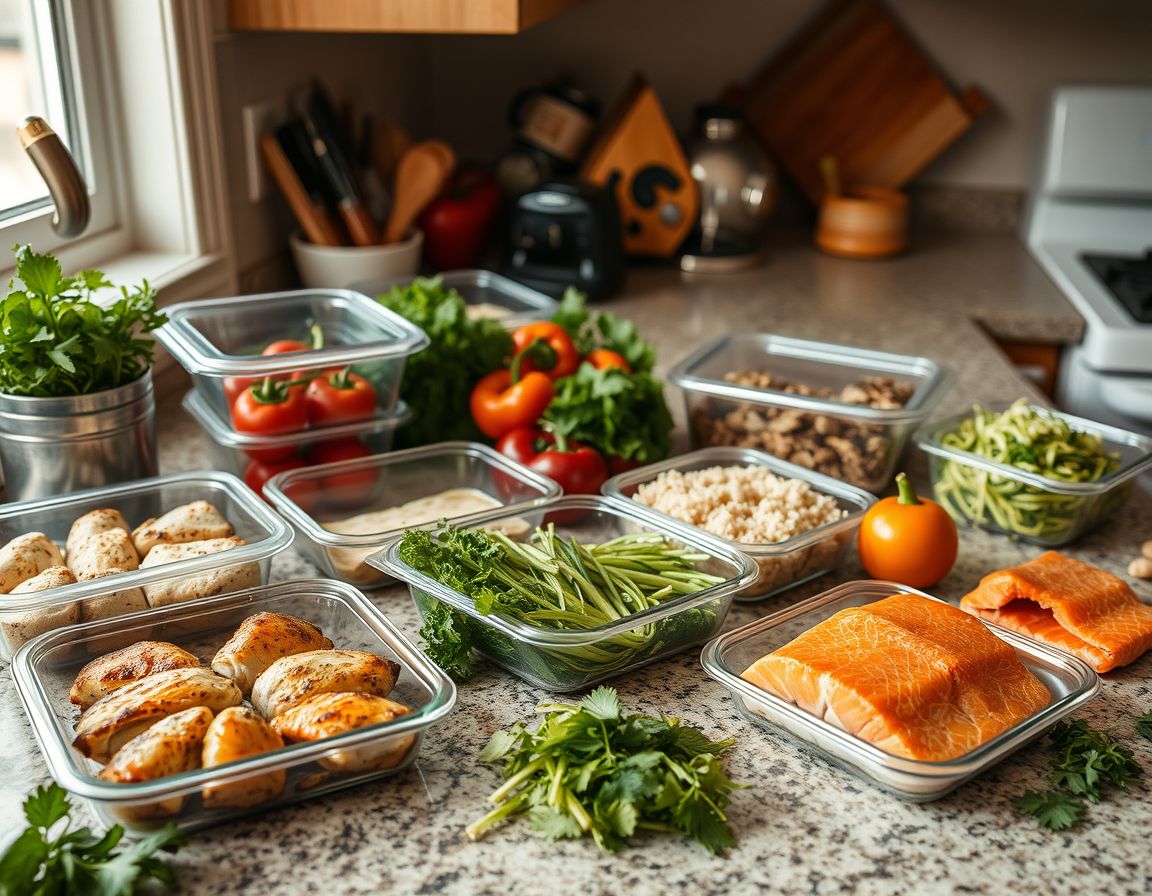
Week 6 is a weird place to quit. You're past the headaches. You're sleeping again. The scale is moving, maybe not fast, but it's moving. And then one Tuesday you stand in front of the fridge, look at the same chicken thighs you've eaten eleven times this month, and think: I cannot do this again.
That's not a willpower failure. That's a menu problem. And it's one of the most common reasons a keto run ends, right around the point where it was about to get easy.
Nobody actually believes food should be boring
Here's where a lot of keto advice goes wrong. It sets up this villain called diet culture that supposedly tells you food is fuel and pleasure is weakness. But that's not a real thing anyone says. Every diet ever marketed leads with how delicious its food is. Low fat had its recipes. Weight Watchers had its recipes. Keto sells bacon and cheese and steak. None of them are pitching misery.
So the problem isn't a belief system. It's a lot more boring than that, and a lot more fixable.
What actually happens is this. You start keto in a hurry. You need meals that are fast, cheap, and hard to mess up. So you build a rotation out of what's easy to make, not out of what you like. Eggs because eggs. Chicken because it's in the freezer. That bag of salad greens because it needs using. Six weeks later, the rotation you built under pressure is still the rotation, and now it's the reason you're quitting.
Nobody chose that menu. It just accumulated.
The carnivore crowd hits the identical wall a few weeks later, which is why being sick of beef at month two is such a common story. Same problem, different protein.
Liking your food is part of the discipline, not a break from it
Plenty of people push back on the idea that keto takes no self-control, and they're right to. Carbs are genuinely delicious. They're also the cheapest, fastest, most available food in almost every situation you'll be in. Every gas station, every office kitchen, every family gathering. Choosing not to lean on them, over and over, for months, takes real effort.
Which is exactly why eating only food you enjoy is a strategy and not a loophole. You're spending willpower on the hard part, the saying no. Don't also spend it on choking down a lunch you hate. That's two withdrawals from the same account, and one of them is optional.
Some people describe it as relearning what "yummy" means to them. They'll say they love chicken and lettuce, and also, yes, they'd take a candy bar if candy bars were free. Both things are true. The point isn't pretending you have no preferences. It's finding the things inside your rules that you genuinely look forward to, because you're going to be eating in this lane for a long time.
Your palate is going to change on you
This part surprises people. Give it enough time off sugar and the old favorites stop tasting the way you remember.
People report the same thing after a few months. The candy they used to crave now reads as aggressively sweet. Not tempting, just loud. Some say it makes their teeth ache. What they were craving was the memory of something good, and when they finally try it again, the actual thing doesn't match the memory at all.
Others notice that products they used to love got reformulated somewhere along the way, cheaper ingredients, different texture, and that took the shine off too. Either way, the craving quietly loses its grip.
This matters for your rotation because it means the food you look forward to at week 2 isn't the food you'll look forward to at month 6. Sweetness stops being the thing you chase. Salt, fat, char, acid, and texture start doing more work. If you built your whole menu around dessert substitutes early on, you may find you've outgrown them, which is also the story with the great allulose switch. Recheck what you like every couple of months.
How to actually rebuild the rotation
This takes about twenty minutes and it's worth more than most of the tweaking people do at week 6.
- List everything you ate last week. Not what you meant to eat. What you actually ate.
- Rate each meal: love it, fine, tolerating it. Be honest. "Fine" is where quitting comes from.
- Delete the tolerating column. All of it. Those meals are not earning their spot.
- Find three anchors you genuinely love and can make without thinking. These carry you.
- Add one new thing a week. One. A new spice blend, a different cut, a cooking method you haven't tried. Most of the difference between a boring plate and a great one is seasoning and heat, not ingredients.
Keep the structure underneath it steady while you play with the top layer. Protein stays the anchor, roughly 0.8 to 1.0 grams per pound of your goal weight, and 30 to 40 grams per meal beats one giant dose at dinner, especially past 50. Fat is the lever you move up or down based on hunger. Carbs sit at 20 to 30 grams net, and low-carb vegetables absolutely count as food you're allowed to enjoy. If you're not sure what your numbers are, the KetoDial calculator will sort it in a couple of minutes so you can stop guessing and go back to thinking about flavor.
One more thing worth naming: you might just miss bread. Real bread. Lots of people do, and no substitute ever quite lands. That's fine. Missing one thing isn't the same as being bored, and it doesn't mean the whole approach is failing you.
Why week 6 specifically
The timing isn't random. Most people feel adapted somewhere around weeks 4 to 6, so the drama is over. The fast water-weight drop is done and you're into the real pace, roughly half a pound to a pound and a half a week, closer to half a pound to a pound if you're over 50. Sustainable, but not thrilling.
So the distraction is gone, the novelty is gone, and the food is the only thing left to notice. If the food is dull, that becomes the whole story.
Boredom also gets misread as hunger, which is its own trap. If you're genuinely ravenous and not just uninspired, that's a different fix, and the week 3 hunger surge has its own explanation that has nothing to do with your menu. Same goes for the quiet that shows up when the constant mental chatter about food finally stops, which is a real thing people describe when keto turns down the food noise. Know which one you're actually dealing with before you start fixing it.
Quick honesty note: I'm not a doctor and I'm not pretending to be. I read a lot, I talk to a lot of people doing this, and I'll tell you what tends to work. If you're on medication or managing a diagnosed condition, your prescriber is a partner in this, not an obstacle. Loop them in.
Week 6 isn't a test of how much you want it. It's usually just a menu you built in a hurry six weeks ago and never revisited. Fix the menu. The rest gets a lot easier.