Everyone Switched to Allulose. Was It Worth It?
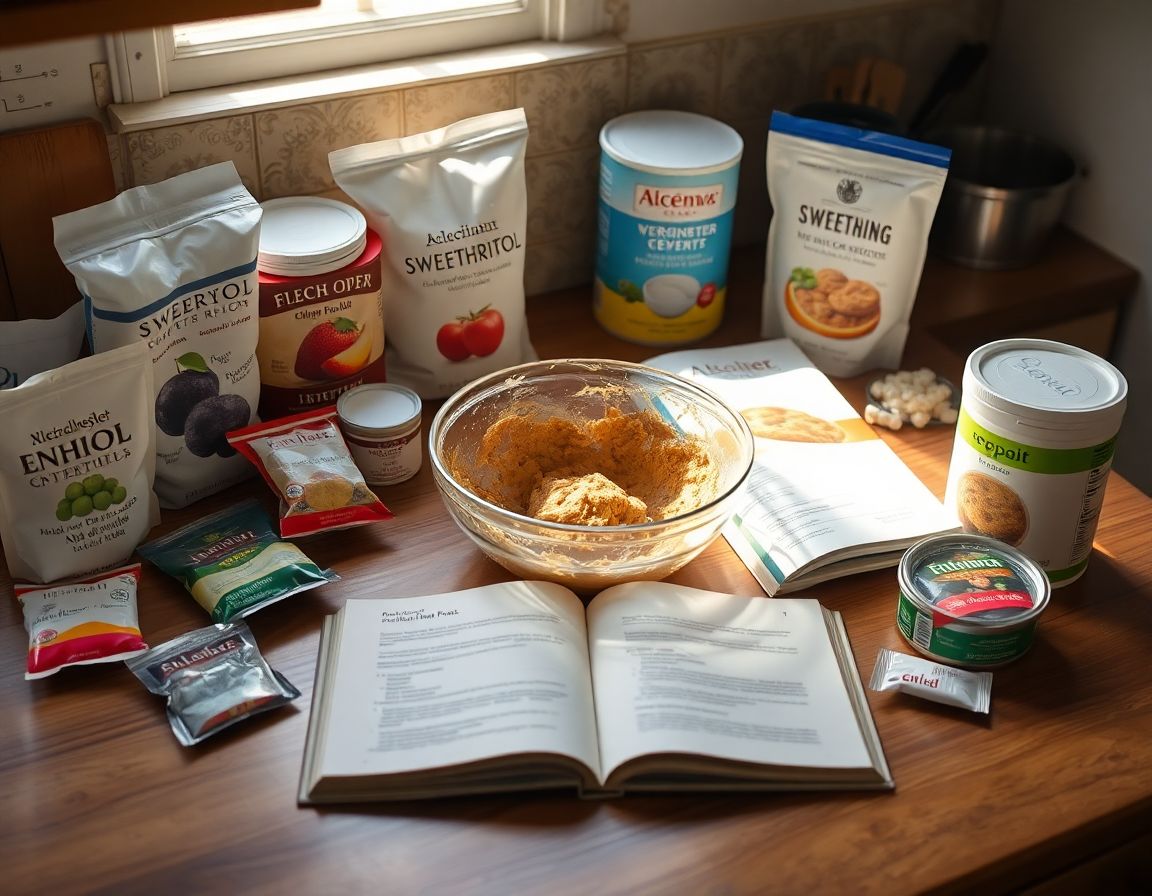
Okay so if you've been in any keto group for longer than about ten minutes, you've watched this play out. Someone posts a cookie recipe. Three comments in, somebody asks "did you use allulose?" And if the answer is no, half the thread shows up to explain why it should have been.
Two years ago that exact thread would've been all erythritol. Now allulose is the default, and questioning it feels a bit like bringing a bag of chips to a potluck.
I switched in 2024 like everybody else. I've also watched a surprising number of people quietly switch back. So let's talk about what actually happened here, what allulose genuinely does better, and where the hype ran out ahead of reality.
Why everyone jumped ship
Real talk: the switch wasn't really about allulose being incredible. It was about erythritol getting scared out of everybody's pantry.
In early 2023, a Cleveland Clinic study in Nature Medicine found that people with high blood levels of erythritol had more cardiovascular events. The internet did what the internet does. Within about a week, picking a sweetener turned into a moral question.
Here's the part that got flattened in the panic. Your body makes erythritol on its own out of glucose, through a normal metabolic pathway. So high blood erythritol might be a signal that something's already off rather than the thing causing it. Researchers are still going back and forth on this. That nuance did not make it into the Instagram carousels.
Didn't matter. The vibe had shifted. Allulose was sitting right there, mostly unknown outside of food science circles, and it inherited an entire community basically overnight.
The wins are real, and most of them are about baking
Now, credit where it's due. If the only thing allulose had going for it was "not erythritol," this trend would've died by summer. It didn't, because allulose actually solves problems erythritol never could.
- It browns. Allulose caramelizes like sugar does. That's why your cookies finally look like cookies instead of pale sad discs. Erythritol just sits there.
- It doesn't recrystallize. No gritty texture the next day. No weird crunchy pockets in your brownies after they cool.
- No cooling effect. That menthol-adjacent chill erythritol leaves on your tongue? Gone. This alone converted a lot of people.
- Ice cream that stays scoopable. Allulose lowers the freezing point, so your homemade batch doesn't turn into a brick you need a chisel for. This is the single best use case and I will not be talked out of it.
There's also blood sugar. Small human studies suggest allulose may blunt the glucose rise after a meal rather than just being neutral. That's interesting, and it's a big part of why the diabetes-adjacent corner of keto got loud about it. But "small studies" is doing real work in that sentence. It's promising, not proven, and the effect sizes aren't going to save a plate of pasta.
The part nobody warns you about
Allulose has a dose ceiling, and the community mostly found it the hard way.
Tolerance research puts the single-serving threshold somewhere around 0.4 grams per kilogram of body weight before people start having digestive trouble. For a 155 pound person, that's roughly 28 grams in one sitting. Daily tolerance lands somewhere near double that.
Sounds like plenty. It isn't, when you bake. A single batch of keto cookies can carry 60 to 100 grams of allulose across eight cookies. Eat three, which everyone does, and you're right at the line.
The result is bloating, gas, and the kind of cramping that makes you cancel plans. I've seen way too many posts along the lines of "I think I'm allergic to allulose," and it's almost never an allergy. It's just three cookies. I'm not the only one who learned that in an unglamorous way.
Also worth knowing: allulose is only about 70 percent as sweet as sugar. So recipes calling for a straight 1:1 swap come out flat, and people compensate by adding more, which pushes them further past their tolerance. That's the trap.
Then there's the price
Erythritol runs somewhere in the four to six dollar per pound range. Allulose is commonly double that or worse. And because you need roughly a third more of it to hit the same sweetness, the real cost gap is bigger than the shelf price suggests.
If you bake once a month, whatever. If you're the person making treats for a family of five every week, that's a genuine grocery line item.
Availability is its own headache depending on where you live. In the US it's everywhere. Canada and the EU have been slower on regulatory approval, so plenty of people are ordering it across a border and paying shipping on a heavy bag of powder. Nobody puts that in the recipe post.
The people who quietly went back
Here's what I've noticed over the last year. There's a steady trickle of people going back to erythritol or to erythritol and monk fruit blends, and they're not making announcements about it. They just stop mentioning allulose.
Their reasons are pretty consistent. The cost stopped making sense. Their gut never adapted. Or they read the follow-up discussion on the erythritol research, decided the original panic was oversold, and went back to the cheaper thing that had worked fine for six years.
None of that makes them wrong. That's the part I want to land on.
So was it worth it?
Mostly yes, with an asterisk the size of a dinner plate.
Allulose is genuinely the better tool for ice cream, caramel, anything where texture and browning matter, and for anyone who can't stand the erythritol cooling effect. That's a real upgrade and it's not going away.
Where the community overcorrected was in treating it as a total replacement. The smartest people I know use both. Erythritol or an erythritol blend for everyday coffee and bulk sweetening, because it's cheap and it works. Allulose for the projects where it earns its price. Blending allulose with a little monk fruit or stevia also fixes the sweetness gap without you dumping in more powder than your gut wants.
One logging note, since this trips people up. In the US, allulose gets subtracted from total carbs on nutrition labels, so a product may show fewer carbs than the ingredient list suggests. If you're tracking tightly, run your actual daily numbers through the KetoDial calculator rather than eyeballing it off a package, especially when a lot of your carbs are coming from sweetened products.
And if you're on blood sugar medication or managing a diagnosed condition, don't make changes based on a sweetener trend. Anything that affects glucose response needs your doctor in the loop, because your dosing might need to move with it.
I'm not a doctor. I'm someone who's deep in this community, reads the research summaries, and has personally over-eaten enough allulose cookies to speak with authority on that one specific outcome. Take health claims with a grain of salt, and make your own calls.