Am I Eating Enough on Keto? Signs You're Undereating
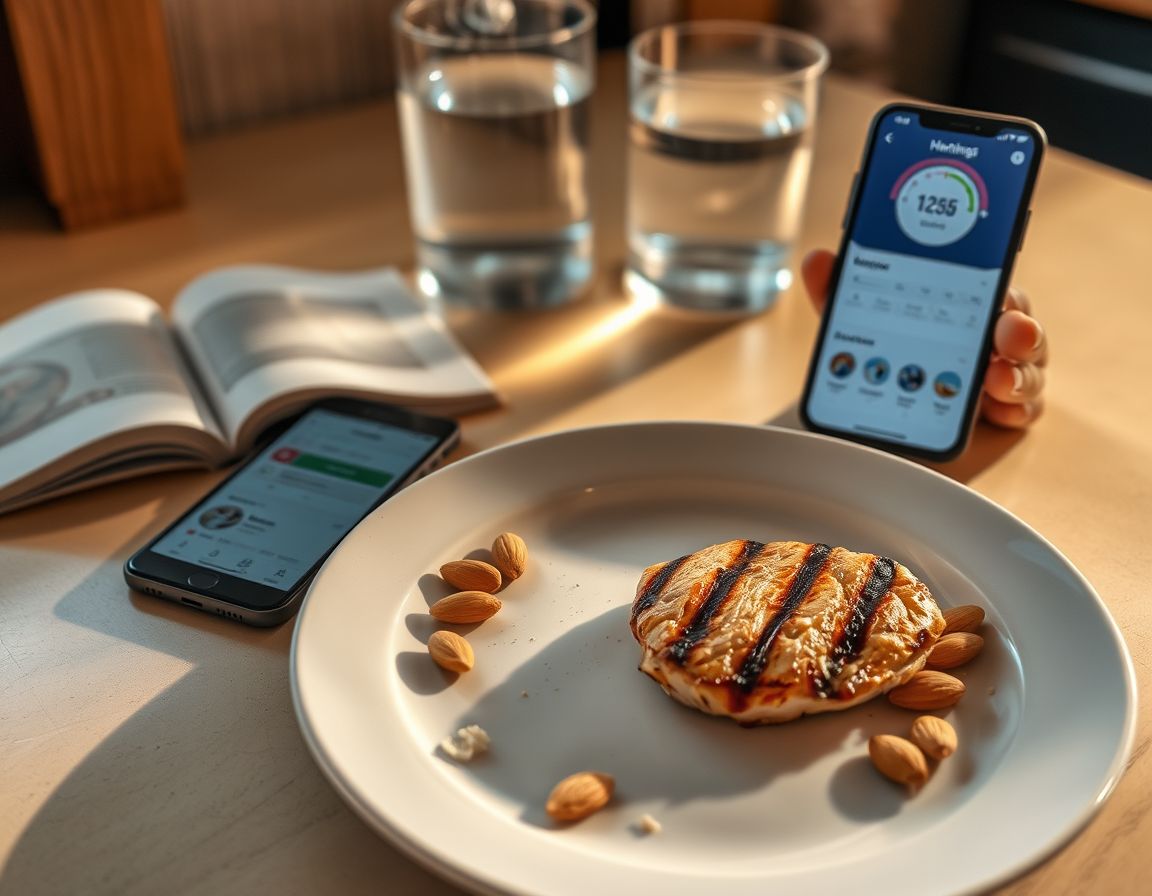
Keto turns the hunger dial way down. For most people that's a gift. But if you're a woman in her 50s or 60s, it can quietly turn into a problem.
You skip breakfast because you don't want it. Lunch is a handful of nuts. Dinner is a small piece of chicken. By Friday you've been eating far less than your body needs, and you haven't noticed because nothing felt wrong.
Here's the protocol for catching it, setting a floor, and eating to it when appetite won't help you.
Why keto makes undereating so easy
Protein and fat are filling. Many people also find that steady blood sugar means no more 3 p.m. crashes and no more grazing. Your hunger signal gets quieter.
That's useful when you want to lose fat. It's a trap when "not hungry" starts meaning "not eating." Hunger tells you when you want food. It doesn't reliably tell you when you've had enough nutrients.
Some people find that once they're a few weeks in, they honestly forget to eat. If that's you, you're not broken. You just need a different cue than your stomach.
Signs you're undereating
Don't judge this by one rough day. Look for a pattern over two to three weeks.
- Constant tiredness that doesn't lift after the first month. If you're still dragging, see our post on feeling exhausted after keto adaptation.
- Feeling cold all the time, especially hands and feet.
- Hair shedding that starts around month 3. This one often points to eating too little overall. More in Keto Hair Loss Around Month 3.
- Weak workouts. Weights that felt fine last month now feel heavy, or you're sore for days.
- Brain fog, short temper, poor sleep.
- Your weight stalls or you lose too fast. Both can happen. A steady pace after the first water-weight week is about 0.5 to 1 lb per week for most women over 50. Faster than that isn't a win.
- Eating feels like a chore. Looking at food and feeling nothing is a flag, not a badge.
Any one of these can have other causes. Several together, plus meals that keep shrinking, is your cue to look closer.
Why "just eat when hungry" isn't enough
Plenty of people say to ignore the numbers and eat only when hungry. In the first weeks, that's honest advice, and we agree. Eat to satiety and don't obsess over counting for the first 8 weeks or so.
But if your appetite has gone almost silent, satiety stops being a useful guide. A very lean or very active person can drop too low fast. Someone with a lot of weight to lose has more cushion, but even then, a big gap can cost you muscle along with the fat.
That matters more after 45. Muscle is harder to rebuild, and you want to keep it. Our post on what the scans show about keto and muscle loss goes deeper.
As for the old "starvation mode" panic, you don't need to fear that after one light week. The real issue is simpler. Chronic, big shortfalls make you tired, hungry later, and more likely to lose muscle.
Set a floor with the KetoDial calculator
Stop guessing. Run the KetoDial calculator and let it give you daily calorie and protein targets built from your height, age, activity, and goal weight.
Here's how to use the result:
- Treat your protein number as the first floor. Hit it before you worry about anything else.
- Treat your calorie number as a rough target, not a test. Within a modest range is fine. Far under, day after day, is the thing to fix.
- Pick a pace that isn't aggressive. The calculator lets you choose how fast you want to lose. Moderate beats extreme every time for a woman over 50.
- Recalculate as you lose. Your targets shift. We cover that in Recalculate Your Keto Macros Every 10 Pounds.
Not sure what a normal day looks like? What a Full Day of Keto Macros Actually Looks Like shows the plate.
Do a 3-day check
You don't have to log forever. Do this once.
- Pick three ordinary days, not your best ones.
- Write down what you eat, or snap photos and tally later.
- Compare the average to your calculator numbers.
- If you're well under on both calories and protein, you've found the gap.
Want to do it without an app? Keto Without the App has simple rules that work.
How to eat to your floor on low-hunger days
This is the part that matters. Appetite isn't coming to save you, so you build a system.
1. Anchor each meal to protein. Aim for 30 to 40 g of protein per meal. That's about 4 to 5 eggs, a palm-and-a-half of salmon or chicken thigh, or a cup of cottage cheese with a couple of eggs on the side. Three meals like that gets you most of the way there.
2. Set meal times. Eat at 8, 1, and 6, even if you're not hungry. Treat it like a medication reminder. You'll be surprised how quickly your body follows the clock.
3. Eat something small, not nothing. On a day when a full plate sounds awful, go for easy and dense. Think hard-boiled eggs, a can of sardines, full-fat Greek yogurt, a few slices of cheese, or leftover meat. A small meal beats a skipped one.
4. Drink some of it. A protein shake made with whole milk or cream goes down easier than a plate of food. It's a backup, not a daily crutch.
5. Don't add fat to hit a number. Protein is the anchor and fat is the lever. If protein is low, fix that first. A spoonful of extra butter won't solve it.
6. Check your salt and water. Low sodium can dull your appetite and leave you feeling flat. See Keto Electrolytes: Sodium, Potassium, Magnesium.
Lost your appetite completely? Why Keto Quiets Food Noise explains why it happens.
When to slow down and ask for help
Take medication for diabetes or blood pressure? Keto can change how much you need. Dieting with a health condition, a history of disordered eating, or unexplained weight loss? Don't set your own targets. Talk to your doctor or a registered dietitian first.
And if you feel dizzy, faint, or have a racing heart, stop and get checked.
The bottom line
Quiet hunger is a perk of keto. Just don't let it run the show. Get your numbers from the KetoDial calculator, hit your protein at every meal, and eat on a schedule when your stomach won't remind you.
Stop overthinking it. Eat enough to feel strong, then let the slow, steady loss happen.
I'm not a doctor. I've coached people and competed myself, so I know what works. But I'm not your doctor. If you have health issues or take meds, check with someone qualified. Everything here is based on what works in practice and what research supports. Your mileage may vary.