What a Full Day of Keto Macros Actually Looks Like
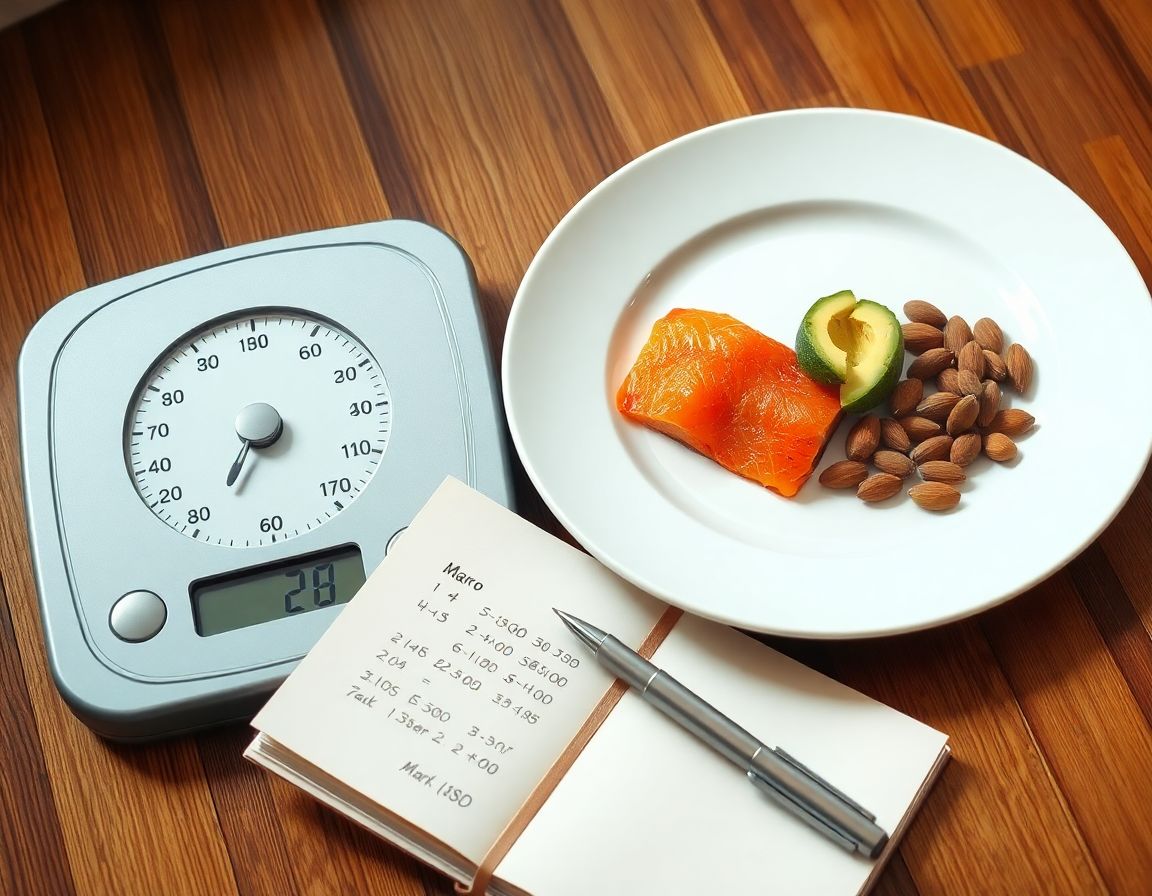
Stop Eyeballing. Start Building.
Most people who stall on keto aren't doing anything wrong with their food choices. They're guessing at portions. A "handful" of nuts turns into 400 calories. A "little" cheese doubles their fat for the day. The guessing adds up, and progress stops.
Here's the fix. You build one full day around your actual numbers, then you repeat the structure. No math at every meal. Just a template you already know works.
I've coached people through this exact problem for years. The ones who win aren't the most disciplined. They're the ones who stopped deciding what to eat 15 times a day and started running a protocol.
Get Your Numbers First
You can't build a day around macros you haven't calculated. If you're winging it on generic advice like "70% fat," you're going to over-shoot calories or under-shoot protein. Both stall you.
Run your stats through the KetoDial calculator before you do anything else. It gives you three numbers that matter: your daily protein target, your fat target, and your carb ceiling. Write them down. Everything below hangs on those three numbers.
For this walkthrough, I'll use a common example: 140g protein, 130g fat, 25g carbs, roughly 1,800 calories. Your numbers will be different. That's the point. Plug in yours and follow the same structure.
Protein Is Your Anchor, Not Fat
This is where most keto days go sideways. People treat fat as the goal and drown everything in butter. Wrong order.
Protein comes first. It's the number you hit exactly, every day, because it protects muscle and keeps you full. Dr. Gabrielle Lyon has been beating this drum for years, and the data backs her up. Under-eat protein and you lose lean mass, tank your metabolism, and get hungrier.
So build protein into every meal. Fat fills the gap to hit your energy target. Carbs stay under the ceiling. That's the whole hierarchy.
A Full Day That Actually Hits the Numbers
Here's what 140/130/25 looks like on a plate. Not a fantasy day. A real one you could eat tomorrow.
Breakfast:
- 3 whole eggs cooked in 1 tbsp butter
- 2 oz cheddar cheese
- Black coffee
That's about 32g protein, 38g fat, 3g carbs. You're anchored for the morning and you won't be hunting for snacks by 10am.
Lunch:
- 6 oz ribeye or ground beef (80/20)
- 2 cups spinach cooked in 1 tbsp olive oil
- Half an avocado
Roughly 42g protein, 55g fat, 8g carbs. The beef carries the protein, the fat rides along with it, and the greens keep your carbs and electrolytes in a good spot.
Dinner:
- 6 oz salmon or chicken thighs
- 1 cup broccoli with 1 tbsp butter
- Small side salad, olive oil and vinegar
About 40g protein, 30g fat, 9g carbs. Fattier fish like salmon makes this easy. If you use a leaner protein, add more fat to the vegetables.
Snack (if you need it):
- 1 oz macadamia nuts or a spoon of nut butter
Adds around 20g fat and closes the gap. Notice the protein was basically locked before the snack even entered the picture. Snacks are for filling fat, not for guessing.
Add it up: 114g protein from meals plus a bit of buffer, 143g fat, 20g carbs. Close enough to adjust with portion tweaks. Short on protein? Add 2 oz of meat somewhere. Over on fat? Cut half a tablespoon of oil. The template flexes.
Why This Beats "Just Eating Keto Foods"
The math doesn't lie. Two people can eat identical "keto" foods and get opposite results because one hit 140g protein and 1,800 calories, and the other hit 90g protein and 2,600 calories. Same foods. Different outcome.
When you build the day on paper first, you stop finding out at 9pm that you already blew past your calories on cheese and nuts. You see the whole board before you play it.
Chloe on the KetoDial team wrote a good breakdown last week on why hidden carbs sneak into "keto" packaged foods. Read that if you keep stalling despite eating clean. The two problems stack: hidden carbs plus fat you never counted.
Don't Forget Electrolytes
You'll drop water fast on a structured keto day, especially the first two weeks. That means sodium, potassium and magnesium go with it. Running low is why a lot of people feel flat, cramp up, and decide keto "doesn't work for them."
What that means in practice is seasoning your food properly rather than eating it the way you would have a month ago. Broth helps and it's food. That's most of it.
What I'm not going to tell you is that a daily electrolyte mix is non-negotiable, because for some readers it's the opposite. If you take a daily pill for your blood pressure or your heart, a water pill, or anything to do with your kidneys, check with your doctor or your pharmacist before you add sodium or potassium, and that includes salt substitutes and packets. Some of those medicines already hold potassium in your body, so extra on top is the problem rather than the help. If a blood test has ever come back with a note about your potassium or your kidney function, same conversation. Not sure if that's you? Ask, rather than assume it isn't.
Run It, Measure It, Adjust It
Here's the protocol. Build one day that hits your numbers. Eat that same structure for 7 to 10 days. Weigh yourself, track energy, notice hunger. Then adjust one variable.
Stalling with good energy? Drop fat by 20g and let your body pull from stored fuel. Losing but exhausted? Add 15g fat or check your electrolytes before you touch anything else. Change one thing, watch for a week, repeat.
Consistency beats perfection here. You don't need a new meal plan every day. You need one that works and the discipline to run it long enough to read the results.
And if you ever swing toward the meat-heavy end of keto, the carnivore macro calculator over at our sister site Carnivore Weekly runs this same protein-first math for carnivore, keto, and low-carb.
I'm not a doctor. I've coached people and competed myself, so I know what works in practice. But I'm not your doctor. If you have a health condition or take medication, talk to someone qualified before changing your diet. Everything here is based on coaching experience and research. Your mileage may vary.