Keto With Type 2 Diabetes: Talk Meds Before Day One
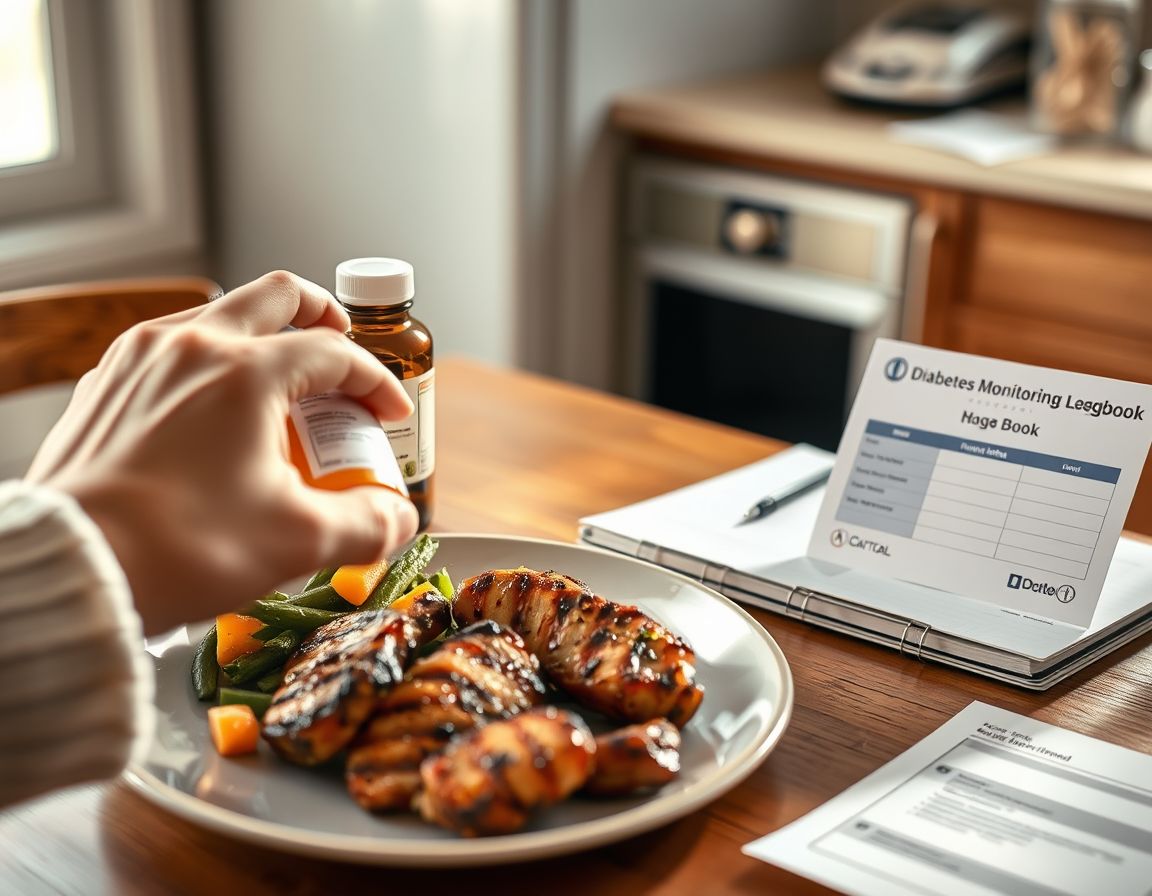
Here's something a lot of women tell me once they've been on keto for a few months: "Nobody ever told me type 2 diabetes could go into remission." They were diagnosed and handed a prescription, and the whole thing was described as a one-way street. So when their numbers started moving, it felt almost too good to trust.
Remission is real, and it has an official definition now. There's also one step that has to come before you cut a single carb, and it's the main reason I wrote this post.
Not a Doctor: I'm a health coach, not a physician, and this isn't medical advice. If you take any medicine for diabetes, blood pressure or anything else, the decision about that medicine belongs to you and your prescriber. Please don't change your diet or your medicines based on a blog post. Bring this to your doctor or pharmacist and plan it with them.
What "remission" actually means
In 2021 the American Diabetes Association, the European Association for the Study of Diabetes, the Endocrine Society and Diabetes UK published a joint definition. Type 2 diabetes is in remission when your A1c stays under 6.5% for at least 3 months after you've stopped glucose-lowering medicine.
Two parts of that matter. First, it's about medicine coming off under your doctor's care. Good numbers that you're only getting because of the medicine don't count. Second, it says "remission," not "cure." The panel recommends checking A1c at least once a year, because blood sugar can creep back up, especially if weight comes back.
Why so many people have never heard of it
For decades type 2 diabetes was taught as a disease that only gets worse, one medicine added after another. That idea shaped how a lot of us were spoken to at diagnosis.
The picture started shifting with research like the UK's DiRECT trial. It used a very low-calorie diet, not keto, and nearly half the participants were in remission at one year. Low-carb approaches have built their own body of evidence since then, mostly by lowering how much sugar the body has to handle in the first place. If you want the mechanism, I explain it in how keto affects insulin resistance.
So remission is possible for many people. It's not guaranteed, and it tends to be more likely earlier in the disease and with meaningful weight loss.
Why the medicine conversation has to come first
This is the part I'd underline twice. On keto, at the usual 20-30 g of net carbs a day, blood sugar can drop within days, and that's the point. If you're also taking a medicine built to push blood sugar down, the two together can take you too low.
Low blood sugar is the danger here, not high. These are the medicine types to raise with your prescriber or pharmacist before day one:
- Insulin, of any kind. Your carb intake changes, so the medicine planned around it may need a fresh look.
- Sulfonylureas, such as glipizide, gliclazide, glyburide or glimepiride. These make your pancreas release insulin whether or not you've eaten carbs, so they can cause lows.
- SGLT2 inhibitors, such as empagliflozin (Jardiance), dapagliflozin (Farxiga) or canagliflozin (Invokana). These carry a risk of ketoacidosis, and a very low-carb diet can raise it. The tricky part is that it can happen with blood sugar that looks fairly normal, so your meter won't warn you.
- Blood pressure medicines. Blood pressure often drops on keto too, which is worth flagging at the same visit.
Metformin and GLP-1 medicines are less likely to cause lows on their own, but they still belong in the conversation. If you're on one, how keto and GLP-1 medicines fit together covers that ground. Whether anything changes, and when, is your prescriber's call. Our job is what to measure and what to ask.
Questions to bring to your appointment
- Which of my medicines can cause low blood sugar?
- Do you want to adjust anything before I start, or watch my numbers first?
- How often should I check my blood sugar in the first few weeks, and at what times of day?
- What reading means I should call you, and what should I do if I go low?
- I'm on an SGLT2 inhibitor. Is a ketogenic diet safe with it, and which warning signs should send me to the emergency room?
- Should I track my blood pressure at home?
- Can we book a check-in in two to four weeks, and when will we recheck my A1c?
What to track once you start
- Fasting glucose every morning, plus any other times your care team suggests.
- Any low: the reading, the time, what you'd eaten and what you were doing. A low is generally anything under 70 mg/dL (3.9 mmol/L), though your doctor may give you a different number.
- Home blood pressure, if you're on medicine for it.
- Weight once a week, not every day.
Know the signs of a low: shakiness, sweating, a racing heart, sudden hunger, irritability, dizziness, or feeling foggy and confused. Keep fast-acting sugar like glucose tablets or juice within reach, and ask your care team exactly how to treat a low. For SGLT2 users, nausea, vomiting, stomach pain, unusual tiredness or trouble breathing need urgent medical care, even if your glucose reading looks fine.
Adaptation or a problem? Check, don't guess
The first week of keto can bring headaches, fatigue and lightheadedness. That's often normal adaptation. As insulin drops, your kidneys let go of sodium and water, so salt your food to taste and spread it through the day. If you have high blood pressure or your doctor has you on a salt limit, check with them first.
The trouble is that a low can feel a lot like that adjustment. If you feel off, test. A number tells you whether you're adapting or need to act. I walk through what's typical in your blood sugar in the first 30 days of keto.
Watch the other end too. If you're still on medicine and your A1c lands in the low 4s, that isn't a win. It can mean you're having lows you haven't noticed, and your doctor needs to see it.
Giving it a fair trial
Judge this at 60 to 90 days, not two weeks. After the first week's water loss, steady fat loss usually runs 0.5 to 1.5 pounds a week, or 0.5 to 1 pound a week if you're over 50. If you'd like a starting point for your own numbers, the KetoDial calculator sets your carbs, protein and fat. Take it to your appointment so your doctor sees the whole plan.
Think of your doctor as your partner in this. You bring the daily data, and they bring the medicine decisions. Many people find that once they're tracking things together, the appointments turn into actual conversations.
Not a Doctor: I'm not a doctor. I've researched this deeply and worked with many people, but I'm not your doctor. Medicine use and diagnosed conditions need professional management, so please don't change your treatment plan based on general information. Talk to someone who knows your full medical picture. Your situation might be different.