Keto and Blood Sugar: What Actually Happens in the First 30 Days
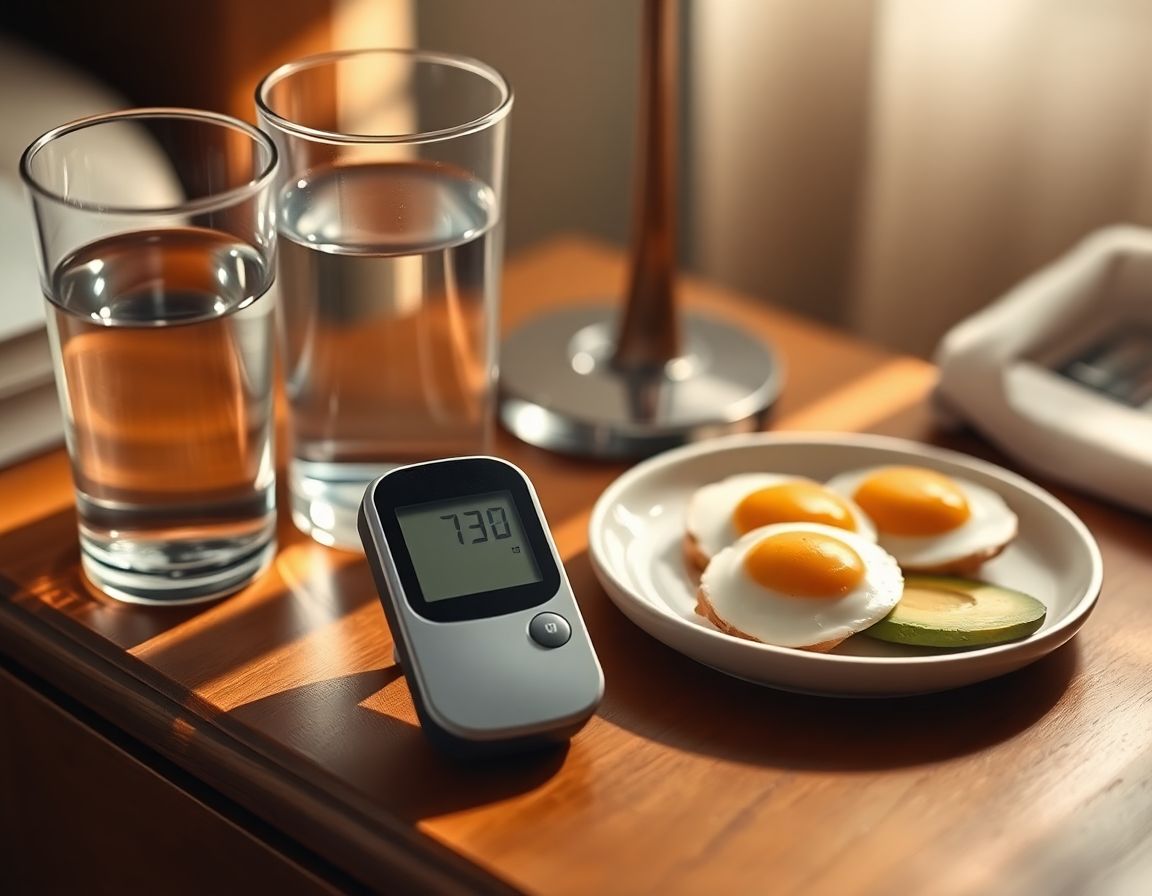
Your Glucose Meter Might Freak You Out
If you're tracking blood sugar while starting keto, there's a good chance you'll see something in week two that makes you question everything. Your fasting glucose goes up. Not down. Up.
You cut out sugar and bread and pasta, and somehow your blood sugar is higher than before. It doesn't make sense. And the first thing most people do is panic, assume keto isn't working, and reach for a bowl of oatmeal.
Don't. What you're seeing is a normal physiological response with a name: adaptive glucose sparing. And understanding it will save you from making a bad decision at exactly the wrong time.
Week 1: Insulin Drops Fast
The first thing that happens when you stop eating carbohydrates is your insulin levels fall. This starts within 24 to 48 hours. Your body doesn't need to produce as much insulin because there's less glucose coming in from food.
For most people, this feels fine. Maybe a little tired, maybe some brain fog as your body figures out its new fuel source. Your blood sugar readings might dip slightly or stay about the same. Nothing alarming.
Behind the scenes, though, your liver is starting to ramp up a process called gluconeogenesis. That's a fancy word for "making glucose from non-carb sources." Your liver takes amino acids and glycerol and converts them into glucose. It does this because your brain and red blood cells still need some glucose, even in ketosis.
Week 2: The Confusing Spike
This is where it gets weird. Around days 8 to 14, many people see their fasting blood glucose jump to 100, 110, sometimes even 120 mg/dL. If you were monitoring before keto and saw numbers in the 85 to 95 range, this feels like you broke something.
Here's what's actually happening. Your body is now running primarily on fat and ketones. Your muscles, which used to be major glucose consumers, have switched fuel sources. They're burning fatty acids and ketones instead. So when your liver produces glucose, there are fewer tissues taking it up. The glucose stays in your blood a little longer, and your fasting reading looks higher.
This is called physiological insulin resistance or adaptive glucose sparing. Your muscles are essentially saying, "We don't need that glucose, save it for the brain." It's not the same as pathological insulin resistance that comes with type 2 diabetes. It's your body being efficient with a limited resource.
The key indicator that this is normal and not a problem: your fasting insulin is low. If you could test insulin at the same time (and I recommend asking your doctor for a fasting insulin test), you'd see it's dropped significantly. High glucose with high insulin is a problem. Mildly elevated glucose with very low insulin is your body adapting.
Weeks 3 to 4: Things Start Settling
By the third and fourth week, your body gets better at this whole fat-burning thing. Ketone production becomes more consistent. Your brain starts using more ketones and less glucose. The liver dials back gluconeogenesis a bit because demand has dropped.
Fasting glucose typically starts trending back down. For many people it settles into the 80s or low 90s. Some people see the lowest fasting glucose numbers of their life during this period. Others take a little longer, especially if they have a history of insulin resistance or metabolic syndrome.
The 30-Day Summary
- Days 1 to 7: Insulin drops, glucose stays stable or dips slightly, liver ramps up gluconeogenesis
- Days 8 to 14: Fasting glucose may rise (adaptive glucose sparing), muscles switching to fat/ketones
- Days 15 to 21: Glucose begins trending down as brain uses more ketones
- Days 22 to 30: Fasting glucose often settles to a new, lower baseline
This is the general pattern. Your personal timeline might be a few days off in either direction. The trend matters more than any single reading.
What to Track and How
If you're going to monitor blood sugar during keto, do it right. Random checks at different times of day will give you meaningless data that just causes anxiety.
- Test at the same time every day. First thing in the morning, before eating or drinking anything, is best. This is your fasting glucose and it's the most comparable number day to day.
- Watch the trend, not individual numbers. A single reading of 112 means nothing by itself. A two-week trend going from 112 down to 95 tells you everything.
- Ask your doctor for a fasting insulin test. This is the missing piece most people don't have. Glucose alone doesn't tell the full story. Glucose plus insulin together shows you whether your metabolic health is actually improving.
- Get an HbA1c test at 90 days. This gives you a three-month average of blood sugar. It's the best single marker for whether keto is actually helping your blood sugar regulation long term.
If You're on Medications
This section is the most important one in this article. If you take any medication that affects blood sugar, your doctor needs to know you're doing keto. This isn't optional.
Metformin: Generally considered the safest diabetes medication to continue on keto. It works by reducing liver glucose output and improving insulin sensitivity. Some doctors will keep you on it during keto, others will reduce the dose as your numbers improve. Either way, they need to know.
Sulfonylureas (glipizide, glyburide, glimepiride): These drugs force your pancreas to produce more insulin regardless of what you eat. On keto, where your carb intake is very low, this can push your blood sugar dangerously low. Hypoglycemia on sulfonylureas is a real medical emergency risk. Your doctor may need to reduce or stop these before you start keto.
Insulin: If you inject insulin, starting keto without medical supervision is dangerous. Your insulin needs will change significantly and quickly. Too much insulin with too few carbs equals severe hypoglycemia. This is the situation where you absolutely must work with your doctor on dose adjustments from day one.
Do not adjust any medication doses on your own. I can't say this strongly enough. Tell your doctor what you're doing, show them your blood sugar logs, and let them make the medication decisions. Many doctors are now familiar with low-carb approaches and will work with you.
When to Actually Worry
Most of what you'll see in the first 30 days is normal adaptation. But there are situations that warrant a call to your doctor sooner rather than later.
- Fasting glucose consistently above 140 mg/dL after two weeks of strict keto. The adaptive glucose sparing effect usually keeps things under 130 at most. Persistent readings above 140 suggest something else may be going on.
- Symptoms of hypoglycemia: shaking, sweating, confusion, rapid heartbeat, feeling like you might pass out. This is especially relevant if you're on diabetes medications. Eat 15 grams of fast-acting carbs and call your doctor.
- Blood ketones above 3.0 mmol/L combined with high blood glucose. This combination can indicate diabetic ketoacidosis (DKA), which is a medical emergency. Nutritional ketosis typically produces ketone levels between 0.5 and 3.0 mmol/L. DKA is primarily a risk for type 1 diabetics and some type 2 diabetics on certain medications, but anyone seeing this combination should seek medical attention immediately.
The Bottom Line
Your blood sugar does weird things in the first month of keto. That's normal. The week-two spike scares a lot of people into quitting right when their body is actually making the switch to fat-burning. If you understand what's happening and why, you can ride it out with confidence.
Track smart, watch the trend, get a fasting insulin test if you can, and talk to your doctor if you're on any medications. The 30-day mark is when most people start seeing the numbers they were hoping for when they started this whole thing.
Not a Doctor. I write from research and from what works for real people, but I'm not your doctor and this isn't medical advice. If you take medication, have a diagnosed condition, are pregnant, or have a history of disordered eating, talk to your healthcare provider before changing how you eat. Your bloodwork and history matter more than any article.