Keto Worked 10 Years Ago. Why It Stalls After 50
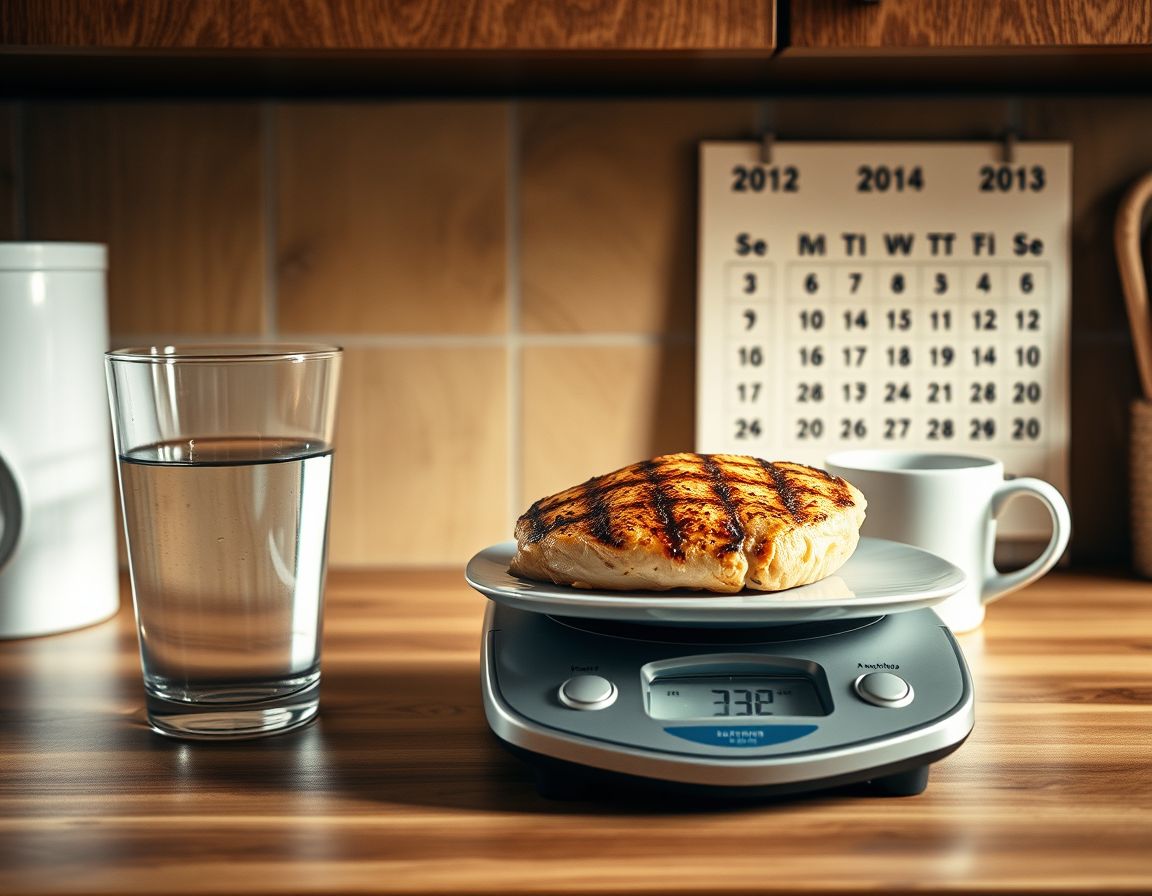
For a lot of women, keto worked beautifully the first time. Ten years ago the weight came off and the cravings went quiet. Now, at 52 or 58, they go back to the same plan and the scale barely moves. The obvious conclusion is that keto stopped working, or their metabolism is broken.
The truth is usually less dramatic and a lot more fixable. The diet hasn't failed. The plan is just sized for a body you don't live in anymore.
The old plan was built for a different body
Think about who ran that first round. She was probably heavier, so she burned more energy just being alive. She likely had more muscle, slept through the night, and moved more without trying: kids to drive, a job on her feet.
Every one of those things raised her maintenance calories. Today, most of them have shifted. A lighter body burns less. Muscle slips away with age unless you work to keep it. Sleep gets choppy around menopause, and a lot of daily movement quietly disappears once life gets more settled.
Put that together and your maintenance number may sit a few hundred calories a day lower than it did. The same plate of food that once created a deficit can now be maintenance, or close to it. That's not a broken diet. That's arithmetic.
The good news is that you don't have to guess at the new number. Run your current weight and goal through the free KetoDial calculator to see your protein and calorie numbers at today's weight, not the ones from a decade ago.
Your metabolism probably isn't the villain
I hear "my metabolism shut down at 50" a lot, and I understand why it feels that way. But a large study of daily energy use across the lifespan found that, once you account for body size, metabolism stays fairly steady from your 20s until around 60, then declines slowly after that.
So for most women in their 50s, the bigger changes are body size, muscle, sleep and movement. Those are the levers. Some of them you can't turn back, and some you absolutely can.
Protein first, and more of it than you remember
For a lot of people, the first round was fat-heavy and protein-light. Butter coffee, cream in everything, a modest piece of chicken at dinner.
After 50, protein does more of the heavy lifting. It's the main thing that helps you hold on to muscle while you lose fat, and it keeps you full. Most people on keto aim for about 0.8 to 1.0 grams of protein per pound of their goal weight. If your goal is 150 pounds, that's roughly 120 to 150 grams a day.
This is not for everyone. Talk to your doctor first if you have high blood pressure, kidney or heart problems, diabetes, are pregnant, or take medicine.
How you spread it matters too. Older muscle responds better to a solid dose at each meal than one big serving at night. Many people land around 30 to 40 grams per meal. That looks like three or four eggs with some sausage at breakfast, a can of salmon or a palm-and-a-half of chicken at lunch, and a decent pork chop or steak at dinner.
If you're worried you've already lost muscle, I wrote about what a body scan can show in keto and muscle loss. Worth a read before you cut calories further.
Fat is the dial you turn
Protein is the anchor. Fat is the dial. A good starting point is roughly equal grams of fat and protein, which keeps most people full. When the scale stalls, the first thing to trim is added fat: the butter melted on top, the cream in the second coffee, the cheese sprinkled on everything, the extra drizzle of oil. You keep the protein where it is.
Ten years ago those extras disappeared into a bigger calorie budget. Now they don't. If you suspect this is you, eating too much fat on keto walks through the signs.
Carbs stay where they were. The standard keto target is 20 to 30 grams net a day. Some women in perimenopause do better on a higher, deliberate range of 50 to 90 grams, but that's a chosen exception, not the starting point.
Expect a slower pace, and judge it fairly
Over 50, a steady 0.5 to 1 pound a week after the first water drop is a good pace. It feels slow. Over six months, it adds up.
Before you decide it's "not working," check that you're actually stalled. Here's the order that tends to help most:
- Confirm the stall. Three to four weeks with no change on the scale or the tape measure. Waist and hips often move when the scale doesn't.
- Look at sleep, stress and electrolytes. Poor sleep makes hunger louder. Salt your food, and lean on avocado, leafy greens, salmon and meat for potassium.
- Run a 7-day food audit. Write down everything, including added fat, cheese and cream. Most people are surprised.
- Recalculate at your current weight. Every time you lose a chunk, your numbers shift. I explain why in recalculating macros every 10 pounds.
- Then try a bigger lever. A two-week break from dairy, or a planned couple of weeks at maintenance, can help reset things.
Movement that actually counts after 50
My Tuesday walking group mostly talks about knees and parents, but we cover real ground every week. Daily walking adds back some of that lost movement. Some strength work, even bodyweight squats or carrying the groceries in one trip, gives all that protein a reason to become muscle.
When it's worth getting checked
It's worth seeing your doctor if a stall comes with feeling cold all the time, unusual tiredness, hair thinning, constipation that won't settle, or weight going up while you're eating less. Those can point to thyroid or other changes that deserve a proper look.
The short version
Keto didn't stop working. Your body changed, and the plan needs resizing to match it. Put protein first, use fat as the dial, keep carbs where they were, and give it a fair 60 to 90 days at a pace that suits a body over 50.
If you haven't yet, plug today's numbers into the KetoDial calculator and start from there.
Not a doctor: I'm not a doctor, and I've never been anyone's coach. I've spent years reading the research at my kitchen table and watching what happens to people around me. Everything here is education, not personal advice. Your situation might be different.
Sources
- Pontzer H, Yamada Y, Sagayama H et al.. Daily energy expenditure through the human life course. Science (New York, N.Y.), 2021.
- Moore DR, Churchward-Venne TA, Witard O et al.. Protein ingestion to stimulate myofibrillar protein synthesis requires greater relative protein intakes in healthy older versus younger men. The journals of gerontology. Series A, Biological sciences and medical sciences, 2015.
- Kim JE, O'Connor LE, Sands LP et al.. Effects of dietary protein intake on body composition changes after weight loss in older adults: a systematic review and meta-analysis. Nutrition reviews, 2016.