Which Fruits Fit Your Keto Carb Budget
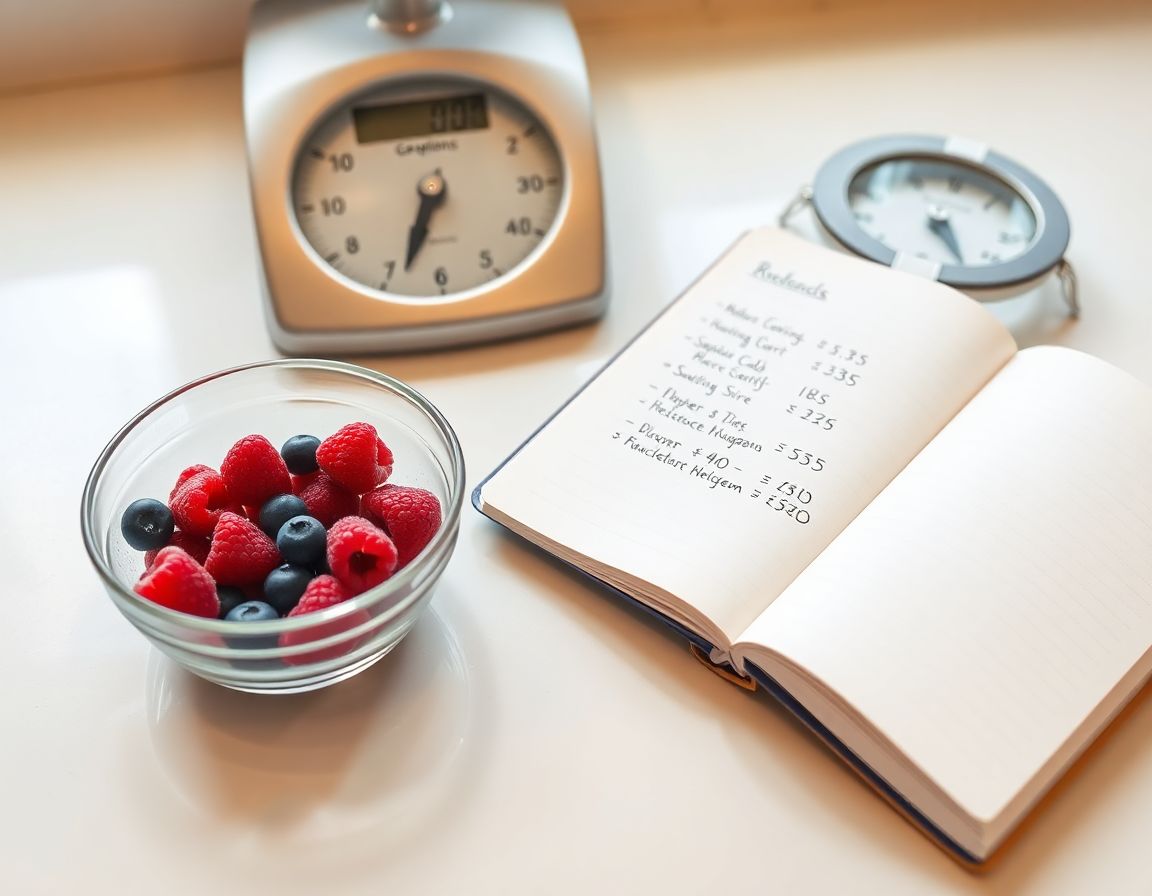
Here's the thing most people get wrong about keto and fruit. They think it's all or nothing. Either you can eat fruit or you can't, and since keto means low carb, fruit gets banned forever.
That's lazy thinking. Fruit isn't the enemy. Uncounted carbs are the enemy.
Run the math and some fruit fits just fine. Berries and melon can live inside your daily carb budget without knocking you out of ketosis. You just have to know the numbers and stop guessing.
Start With Your Carb Budget
You can't fit fruit into a budget you haven't set. So set it first.
Most people doing keto run somewhere between 20 and 50 grams of net carbs per day. Net carbs means total carbs minus fiber, since fiber doesn't spike your blood sugar the same way. Where you land depends on your body, your activity, and how deep into fat adaptation you are.
If you don't know your number, don't pull one out of thin air. Plug your stats into the KetoDial calculator and let it hand you a target based on your weight, goals, and activity. That gives you a real ceiling to work with instead of a vague "eat low carb" idea.
Let's say your budget is 25 grams net carbs a day. That's the number every fruit decision gets measured against. Everything below is ranked so you can see exactly how much room a serving eats up.
The Fruit Rankings, Lowest Carb First
Here's where the rubber meets the road. These are net carb counts for a reasonable serving, not a giant bowl. Portion size matters as much as the fruit itself.
- Blackberries, half cup: about 3g net carbs. The winner. High fiber, low sugar, tons of volume.
- Raspberries, half cup: about 3g net carbs. Basically tied with blackberries. Great option.
- Strawberries, half cup sliced: about 4g net carbs. Sweet, filling, easy to portion.
- Blueberries, half cup: about 9g net carbs. Higher than the others. Still workable, but it eats a bigger chunk of your budget.
- Watermelon, half cup diced: about 5g net carbs. Low fiber, so watch the portion. A big slice adds up fast.
- Cantaloupe, half cup diced: about 6g net carbs. Similar story to watermelon.
- Honeydew, half cup diced: about 7g net carbs. The heaviest melon on this list.
Notice the pattern. Berries win because they carry a lot of fiber, which drops the net number. Melon tastes lighter and more watery, but it's mostly sugar with less fiber, so the net carbs climb quicker than you'd expect.
Do the Actual Math
The math doesn't lie, so let's run it. Say you've got that 25 gram budget.
You eat a half cup of raspberries in the morning. That's 3 grams. You've got 22 left for the whole day, and you barely touched it. Easy win.
Now flip it. You grab a full cup of blueberries as an afternoon snack because "it's just fruit." That's 18 grams gone in one sitting. You've got 7 grams left for every other food you'll eat today. That's the trap.
Same food, different portion, completely different outcome. This is why measuring beats eyeballing every single time. A food scale costs almost nothing and takes the guesswork out.
Timing Isn't Everything, But It Helps
People ask me when to eat their fruit. Honestly, the total for the day matters more than the clock.
That said, if you train, a small serving of berries around your workout is a smart spot to spend those carbs. Your muscles are primed to soak up glucose after hard training, so the sugar's more likely to get used than stored. I've coached lifters who kept a half cup of strawberries as their post-lift treat and never budged out of ketosis.
If you're sedentary that day, be a little stricter. No workout means less demand for those carbs, so keep the portion tight.
The Fruits That Don't Fit
Let me be straight with you. Some fruit just won't work on a tight budget, and pretending otherwise sets you up to fail.
A banana runs about 24 grams of net carbs. That's your entire day in one piece of fruit. An apple lands around 21 grams. A cup of mango sits near 22 grams. Grapes are sugar bombs, close to 26 grams a cup.
None of these are "bad." They're just expensive. If you spend your whole carb budget on one banana, you've got nothing left for vegetables, dairy, or anything else. Save those for a higher-carb day if you cycle, or skip them while you're dialing things in.
Your Simple Protocol
Stop overthinking it. Here's the whole system in five steps.
- One: Set your daily net carb budget. Use the calculator if you don't know it.
- Two: Default to berries. Blackberries and raspberries give you the most food for the fewest carbs.
- Three: Weigh your portion. A half cup is a serving, not a starting point you build on.
- Four: Log it before you eat it, so you know what's left for the rest of the day.
- Five: Spend melon and higher-carb fruit on training days when you can afford it.
Do this and fruit stops being scary. It becomes just another number you plan around, same as anything else on your plate.
Consistency beats perfection here. You don't need to be flawless. You need to know your budget and stay inside it most of the time.
Not a Doctor
I'm not a doctor. I've coached people and eaten this way myself, so I know what works in practice. But I'm not your doctor. If you've got health issues or take medication, check with someone qualified before making big diet changes. Everything here is based on what works in the field and what the numbers support. Your results may vary.