The Protein Snack Aisle Ate Keto: What's Worth Buying
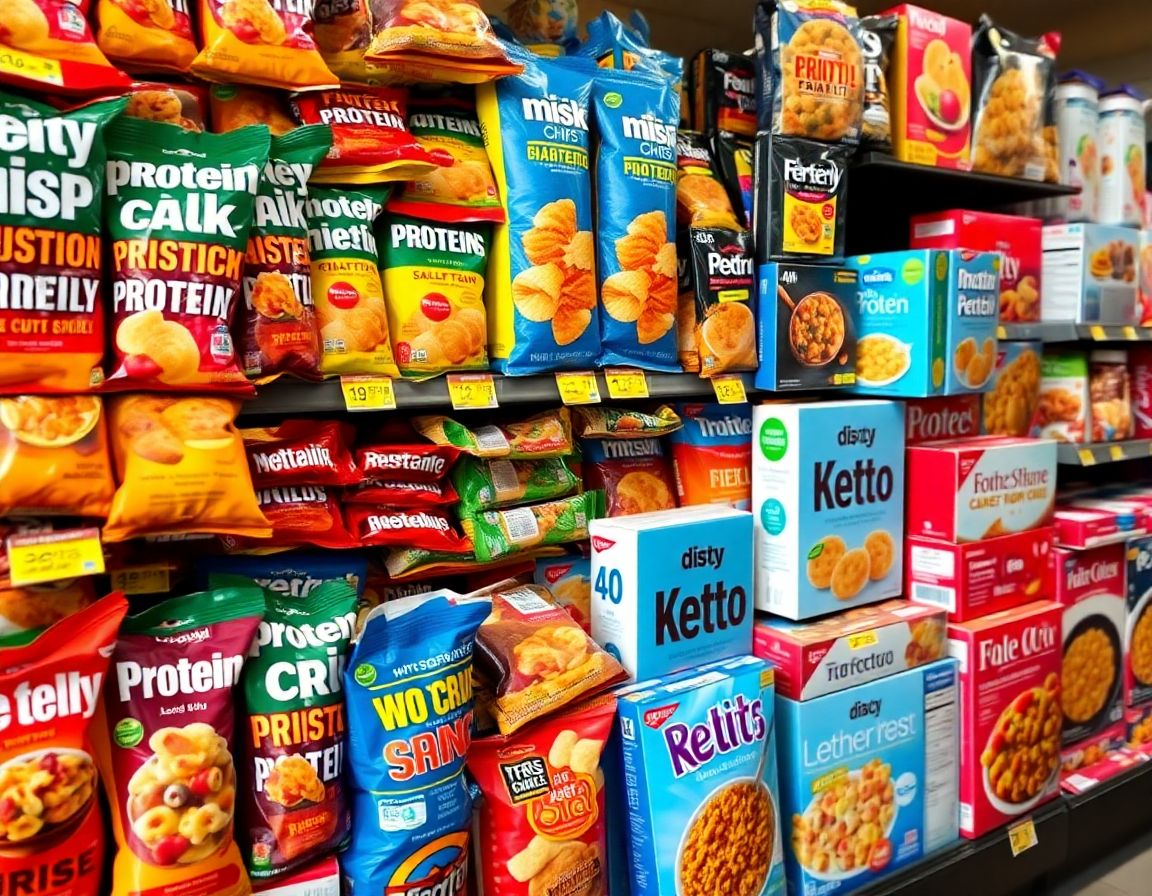
Okay, so have you walked through a grocery store lately? The keto aisle is gone. Not shrunk, gone. In its place there's a wall of protein everything. Protein chips, protein candy, protein soda, protein cereal that looks suspiciously like the sugary stuff we all quit.
Here's the thing: this isn't keto dying. It's keto getting absorbed. The protein snack market blew past $5 billion and it's still climbing, and the brands figured out that "protein" sells to way more people than "keto" ever did. So they rebranded, reformulated, and quietly slid a bunch of carbs back into products that used to be clean.
Real talk: some of these products are genuinely great for keto. Others are carb bombs wearing a gym outfit. Let's sort them.
Why the Keto Aisle Disappeared
Marketing follows money, and right now the money says "high protein" instead of "low carb." Same shelf space, same customers, bigger audience. A protein bar can sell to a keto person, a bodybuilder, a busy mom, and a college kid all at once.
The problem for us is that "high protein" says nothing about carbs. A product can pack 20 grams of protein and 35 grams of carbs at the same time. That's a protein product. It is absolutely not a keto product.
So the old shortcut, "it's in the keto aisle, it's probably fine," doesn't work anymore. You have to flip the package over now. Every single time.
The Three-Second Label Check
Before we get into specific products, here's the filter I use in the store. It takes three seconds once it becomes a habit.
- Total carbs first, net carbs second. Brands love printing net carbs in giant letters on the front. Check the actual panel and do your own math.
- Look for the sweetener. Allulose and monk fruit are usually fine. Maltitol is the one to watch, it hits blood sugar way harder than the label math suggests.
- Check the serving size. A bag that says 4 net carbs per serving with 2.5 servings in it is a 10 net carb bag. Nobody eats half a bag of chips. Nobody.
If you don't know how many carbs you've actually got to play with in a day, that's worth figuring out first. The KetoDial calculator will give you your daily carb ceiling based on your stats, and honestly, snacks are where most of that budget quietly disappears. Knowing your number makes the aisle way less confusing.
What's Actually Worth Buying
Meat snacks, mostly. Biltong, meat sticks, jerky without sugar glaze. This category has exploded and it's the easiest win on the shelf. The catch is that a lot of jerky is marinated in brown sugar or teriyaki, so you're looking for the plain or peppered versions. Biltong in particular tends to be just beef, vinegar, and spices. Zero carbs, real food, done.
Cheese crisps. Whisps, Parm Crisps, store brands. These are usually just baked cheese, which means basically zero carbs and they actually crunch. If you miss chips, this is the closest legit swap that isn't pretending to be something it's not.
Protein chips, some of them. This one's product by product. Quest chips run around 4 to 5 net carbs a bag, which fits most people's budget. But some of the newer viral brands are corn-based with protein sprinkled in, sitting at 15 to 20 total carbs. Same shelf, completely different food.
Nut-based bars, carefully. Bars built on almonds or peanuts with allulose or monk fruit can land at 3 to 5 net carbs. They exist and they're fine. But this category has the widest spread on the entire shelf, which brings me to the next section.
The Carb Bombs in Disguise
Protein cereal. I'm sorry. I know it's everywhere right now and the marketing is adorable. Most of these run 15 to 25 grams of carbs per bowl before milk. The protein is real, but so are the carbs, and one bowl can eat your entire day's budget before 8 a.m.
Protein candy and "healthy" chocolate bars. Everyone talks about these like they're a free pass. Check the sweetener. If it's maltitol, that "2 net carb" bar behaves more like 10 in your bloodstream. If it's allulose, you're probably fine. Same shape, same shelf, totally different outcome.
Protein shakes and smoothies in the cooler. The ready-to-drink section is a minefield. Some are 2 carbs. Some are 30 because they're built on fruit puree and skim milk with a protein scoop thrown in. The bottle shape tells you nothing. The label tells you everything.
Anything labeled "high protein" bread, wraps, or bagels. A few are legit. Most are regular flour products with vital wheat gluten added, sitting at 20-plus net carbs. Protein bagels had a huge viral moment this year and I watched a lot of people stall out on them without understanding why.
The Pattern Underneath All of This
Here's what I keep coming back to. The products worth buying are the ones where protein is the food. Meat, cheese, eggs in snack form. The products that burn people are the ones where protein got added to a carb product so the front of the package could say something impressive.
If the protein had to be added, ask what it was added to. That question sorts about 90 percent of the aisle.
And honestly, this shift is kind of good news for us. Five years ago keto snacks were a tiny specialty corner with specialty prices. Now half the protein wall works for keto if you know how to read it. More options, better prices, better taste. We just lost the shortcut of trusting the aisle sign.
So keep the three-second check in your back pocket, know your carb number, and treat every new viral protein product as guilty until the label proves otherwise. The aisle changed. Your macros didn't.
Not a nutritionist, by the way. I'm just someone who reads a lot of labels and watches what actually works for people. If you've got medical stuff going on or you're on medication, talk to your doctor before changing how you eat. I'm here for the label math and the honest takes, not medical advice.