Blood vs Breath vs Urine: Measuring Ketosis Right
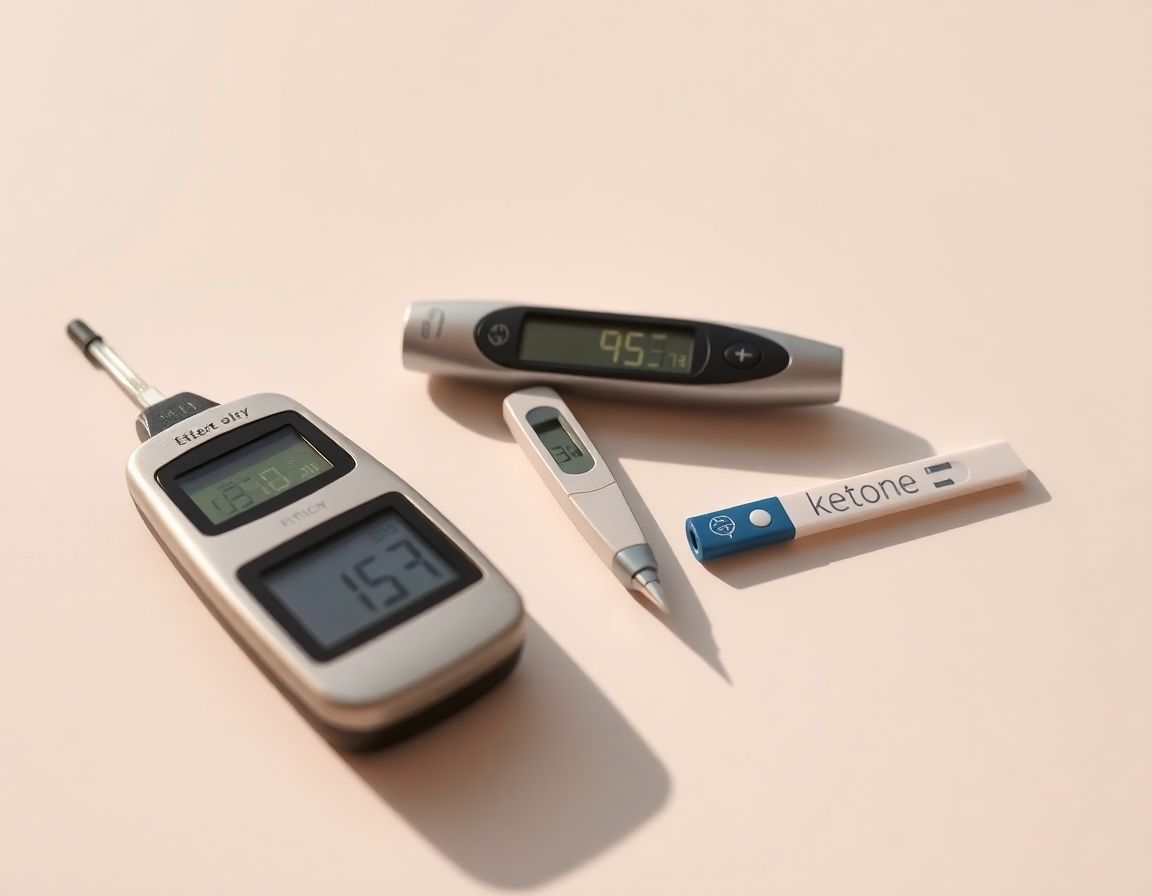
Three Tools, Three Different Answers
You went keto. You want to know if it's working. So you buy something to measure ketones.
Here's the problem. There are three ways to test, and they don't agree with each other. Blood says one thing. Breath says another. Urine says something else entirely.
That's not a defect. Each method measures a different thing. Once you know what each one tells you, the confusion clears up fast.
I've coached people who spent $80 a month on blood strips chasing a number that didn't matter. And I've coached people who never tested once and got into great shape. Let me save you the money and the guesswork.
What You're Actually Measuring
Your body makes three ketone bodies: beta-hydroxybutyrate (BHB), acetoacetate, and acetone. Each testing method looks at a different one.
- Blood meters measure BHB, the ketone your muscles and brain actually burn for fuel.
- Breath meters measure acetone, a byproduct you exhale.
- Urine strips measure acetoacetate, the ketones your body dumps when it has extra.
This is why the numbers don't line up. You're not measuring the same molecule three times. You're measuring three different things.
Blood: The Gold Standard
Blood is the most accurate. Full stop. When a study measures ketosis, they use blood BHB.
Here's the protocol. You prick your finger, put a drop on a strip, and get a number in mmol/L. Nutritional ketosis starts around 0.5 mmol/L. Most people sit between 0.5 and 3.0.
The catch is cost. The meter is cheap, sometimes free. The strips are the trap. They run $1 to $2 each, and they expire. Test twice a day and you're spending $60 to $100 a month on tiny plastic strips.
Blood is worth it when you need a real answer. If you're doing keto for a medical reason and your doctor wants data, blood is the only method that counts. For most people, it's overkill.
Breath: The One-Time Buy
Breath meters measure acetone, which tracks reasonably well with blood ketones. Not perfectly, but close enough for most people.
You buy the device once, usually $60 to $150, and then it's free forever. No strips. No pricking your finger. You breathe into it and get a reading.
That's the big win. If you like to test often, breath pays for itself in a couple months compared to blood strips.
The downside is that acetone can lag behind your actual state. Alcohol, hydration, and how hard you breathe into the device all move the number. It's a good trend tool, not a precise snapshot.
Urine: Cheap and Honest for Beginners
Urine strips are the cheapest option. A bottle of 100 costs about $10. You pee on a strip, it changes color, you match it to a chart.
Here's what nobody tells you. Urine strips get less useful the longer you're keto.
When you first start, your body isn't good at using ketones yet, so it dumps the extra in your urine. The strip turns dark purple and you feel like a winner.
A few weeks in, you get fat-adapted. Your body starts burning those ketones instead of wasting them. So the strip turns light, or barely changes at all, even though you're in deeper ketosis than before.
A light strip after week three isn't failure. It usually means you got more efficient. This trips people up constantly.
So Which One Should You Buy?
Depends on where you are. Here's how I sort it for the people I coach.
- First month: Grab urine strips. They're $10 and they confirm you crossed into ketosis. That's all you need to know at the start.
- You test daily and want a trend: Buy a breath meter. One purchase, no ongoing cost, decent accuracy.
- Medical keto or you need hard data: Use a blood meter. Accept the strip cost. Precision matters here.
Notice I didn't say everyone needs to test. Because most people don't.
The Rule: When Testing Is Worth It
Here's the honest truth. A ketone number is a data point, not a goal. Nobody feels better because a strip turned purple.
Testing is worth it in three cases:
- You're brand new and want proof the diet is working. Two weeks of testing builds confidence. Then stop.
- You're troubleshooting. Weight stalled, energy tanked, and you suspect hidden carbs are kicking you out. Test for a week to find the leak.
- You have a medical reason and a doctor asking for numbers.
Outside those, testing every day is a waste of strips and mental energy. Your body already tells you what you need to know. Steady energy, less hunger, clear head, clothes fitting better. Those signals beat any number.
Chasing a higher ketone reading also leads people to eat more fat than they need, which stalls fat loss. More ketones in your blood doesn't mean more fat coming off your body. It just means more fat floating around, some of it from your plate.
Get the Inputs Right First
Before you spend a dime on any meter, get your macros dialed. Testing tells you if you're in ketosis. It doesn't tell you what to eat to get there.
Run your numbers through the KetoDial calculator first. It sets your carb ceiling, your protein target, and your fat range based on your body and goals. Hit those numbers consistently and ketosis takes care of itself.
I've seen it over and over. People buy the fancy meter, obsess over the reading, and never fix the actual food. Get the inputs right and the output follows.
Protocol over willpower. Nail your macros, confirm ketosis once or twice, then stop staring at strips and go live your life.
Not a Doctor
I'm not a doctor. I've coached people and done this myself, so I know what works in practice. But I'm not your doctor. If you have a health condition or take medication, especially for diabetes, talk to someone qualified before changing your diet or trusting a home ketone reading. Everything here is based on what works and what research supports. Your mileage may vary.