MCT Oil vs Ketone Salts: Which One Works?
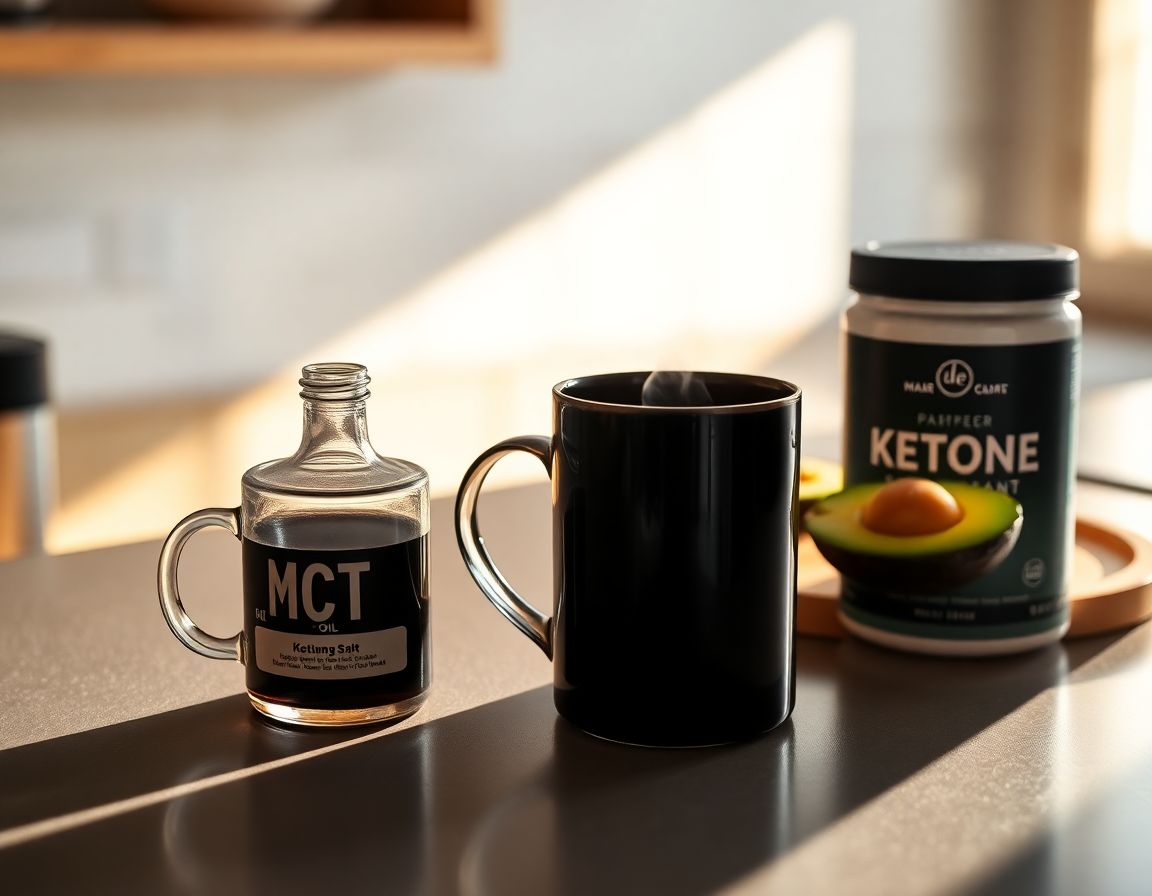
Let's Settle This Right Now
You've seen the ads. A scoop of ketone salts, a splash of MCT oil in your coffee, and boom, you're supposedly in fat-burning mode. Both promise ketones. Both cost money. But they do very different things, and one of them probably isn't doing what you think.
Here's the short version. Neither one makes you keto-adapted. If you're buying exogenous ketones hoping to skip the work, stop. Save your cash. Let me explain why, and when each one is actually worth using.
What's Actually Happening in Your Body
When you eat keto, your liver runs low on glucose. So it starts turning fat into ketones, mainly beta-hydroxybutyrate, or BHB. Your brain and muscles learn to run on those ketones. That adaptation takes weeks, not hours.
MCT oil is a precursor. Medium chain triglycerides get absorbed fast and head straight to your liver, which converts them into ketones. You're not drinking ketones. You're giving your body cheap raw material and letting it make its own.
Ketone salts are the finished product. BHB gets bound to minerals like sodium, potassium, calcium, or magnesium, then you drink it. The BHB goes right into your blood. No conversion needed.
So MCT is the ingredient. Salts are the pre-made meal. That difference matters more than the marketing lets on.
The Big Lie: "Get Into Ketosis Instantly"
This is where people waste the most money. Yes, ketone salts raise your blood BHB within an hour or so. The number on your meter goes up. That feels like proof.
It's not. Raising blood ketones from a drink is not the same as being fat-adapted. Fat adaptation means your body has rewired how it makes and burns fuel. Drinking BHB skips all of that. You've just poured ketones in from the outside.
Here's the part nobody advertises. When you flood your blood with exogenous ketones, your body often responds by making fewer of its own and can even nudge your free fatty acids down. So you're not teaching your metabolism anything. In some cases you're telling it to relax.
A high reading on your meter after a ketone drink doesn't mean you're burning your own body fat. It means you drank ketones. Those are different things.
And the effect is short-lived. Blood BHB from a single dose climbs, peaks, then comes back down over the next few hours as your body uses or clears it. It's a temporary bump, not a switch you've flipped for the day.
Does Either One Burn Fat?
This is the question that actually matters, so let me be straight with you.
Fat loss comes from being in a calorie deficit over time. Ketones are a fuel source, not a fat-loss drug. Exogenous ketones can even supply calories your body burns before it touches stored fat. So a ketone drink is not free fat loss. If anything, it can pause it.
MCT oil is a fat too, at about 8 to 10 calories per gram. Those calories count. The upside is MCTs may help with appetite and give you steady ketone availability, which can make sticking to keto easier. But it's not magic. Overdo it and you've just added calories.
If you're not sure where your calorie and macro targets sit, that's the first thing to nail down. Run your numbers through the KetoDial calculator before you spend a dime on supplements. Get the diet right, then decide if you even need extras.
When MCT Oil Is Actually Worth It
MCT earns its spot in specific situations.
- Morning energy and focus. A small amount in coffee gives your brain steady ketone fuel while you're fat-adapting.
- Appetite control. Some people find MCTs help them feel full and skip the mid-morning snack.
- Training fuel on keto. A little before a workout can give you accessible energy without kicking you out of ketosis.
Start with about a teaspoon. Seriously. MCT oil is famous for sending people running to the bathroom if they go too hard too fast. Build up slowly to a tablespoon over a week or two. Your gut will thank you.
When Ketone Salts Are Actually Worth It
Salts have a narrower use case, but it's real.
- The keto flu window. During your first week, before you're adapted, a dose can take the edge off the brain fog and low energy.
- A quick mental lift. Some people use them before a demanding meeting or a hard training session for short-term focus.
- The minerals. Salts come bound to sodium, potassium, and magnesium, which you lose a lot of on keto. That electrolyte hit is honestly half the benefit. A dedicated mix like LMNT gives you the same minerals for a fraction of the price.
What they won't do is adapt you, replace real food, or melt fat while you sleep. Use them as an occasional tool, not a daily crutch.
The Honest Bottom Line
If I had to hand you one, I'd hand you MCT oil. It's cheaper per use, it supports your own ketone production instead of replacing it, and it fits into a normal keto day. Salts are a situational tool for the adaptation window and electrolytes, not a shortcut.
But here's the real protocol. Neither one adapts you. Only eating keto consistently does that. The supplements are the last five percent, not the foundation.
So do this. Get your macros dialed. Eat real food for a few weeks. Let your body actually adapt. Then, if you want a little extra focus or an easier morning, add MCT oil slowly. Skip the salts unless you're fighting the keto flu or need the electrolytes. That's it. Stop overthinking it, and stop paying for shortcuts that don't exist.
Not a Doctor
I'm not a doctor, and this isn't medical advice. I've coached people through keto and tested this stuff myself, so I know what works in practice. But I'm not your doctor. If you have a health condition, take medications, or you're managing something like diabetes, talk to a qualified professional before changing your diet or adding supplements. Everything here is based on what works in the real world and what the research supports. Your results may vary.