Nobody Says 'Keto' Anymore. It's High-Protein Now.
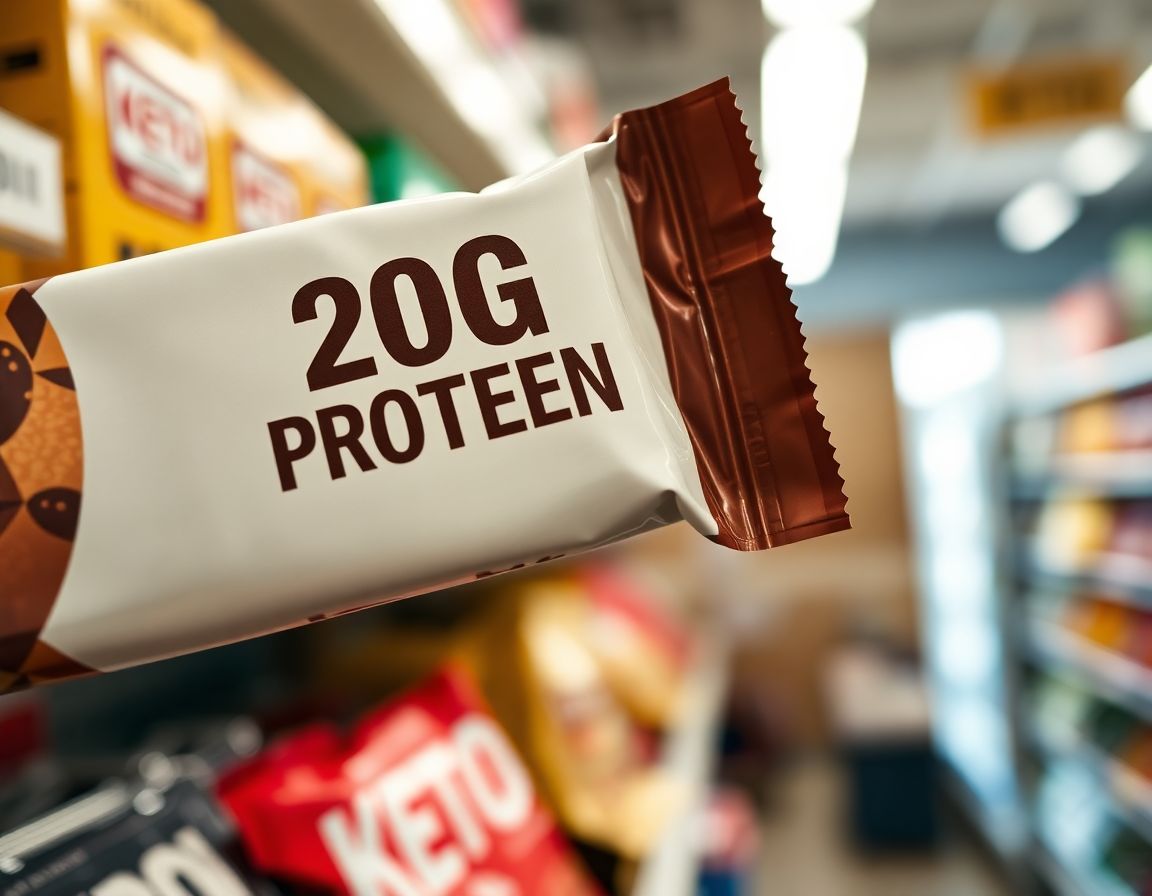
Okay, so have you noticed that nobody actually says "keto" out loud anymore? Scroll your feed. Walk down the snack aisle. The word basically vanished. But here's the thing, the behavior didn't go anywhere. It just got a haircut and a new name tag.
Real talk: I was standing in a grocery store the other week holding a protein bar, and I realized the label said "20g protein, 2g sugar." Five years ago that exact bar would've screamed "KETO" in giant letters. Now it whispers "high-protein" and acts like it invented the concept. Same bar. Different outfit.
The Word Got Awkward, So Brands Ditched It
Let's be honest about why this happened. "Keto" started feeling dated. It got tangled up with keto flu, bacon-wrapped everything, and that one relative who wouldn't shut up about ketones at Thanksgiving.
So brands did the smart, slightly sneaky thing. They quietly swapped the language. "Keto-friendly" became "high-protein." "Low-carb" became "low-sugar" or "gut-friendly." The packaging changed. The macros mostly didn't.
And it worked. The protein snack market is booming, projected to grow from around $5 billion in 2025 toward roughly $9 billion by 2030, growing double digits every year. Quest, RXBAR, and a pile of newer brands are racing to keep up. Ferrero even bought Power Crunch, a high-protein bar company, in early 2025. Big money follows the behavior, not the hashtag.
Then Ozempic Walked In
Here's where it gets interesting. Right as "keto" was fading, the GLP-1 wave hit. Ozempic, Wegovy, Zepbound. Something like 1 in 8 US adults is now on one of these meds, and the whole weight-loss conversation shifted toward pharmacies almost overnight.
A bunch of headlines went, "Did Ozempic kill keto?" And I get why. Keto's numbers did dip. Some surveys had it dropping from around 7% of dieters to 4% in a year.
But here's what those headlines missed. The meds didn't kill the eating pattern. They basically require it.
When these drugs crush your appetite, you eat way less. The catch is that rapid weight loss loves to strip muscle right along with fat. So what do every single one of those "GLP-1 friendly" guides tell people to prioritize? Protein. Lots of it. And keep the carbs lower so you're not wasting your limited appetite on stuff that doesn't fill you up.
High-protein, lower-carb eating is just keto with better PR and a doctor's note.
So Wait, Did Keto Actually Die?
No. And I say that as someone who's not even strict about any of this. I'm the community person, not the science person. If you want the deep metabolic breakdown of why lower-carb keeps working, that's a rabbit hole worth going down separately.
But you don't need a PhD to see the pattern. Look at what "high-protein" and "GLP-1 friendly" actually ask you to do:
- Load up on protein at every meal
- Keep sugar and refined carbs low
- Prioritize whole foods over processed junk
- Watch your fiber and electrolytes so you feel human
That's the keto playbook. Maybe not deep-ketosis, measure-your-blood-strips keto, but the everyday version most people were actually living. The lifestyle didn't die. It just stopped announcing itself.
Why This Rebrand Is Kind of a Good Thing
I'll admit, part of me misses when the community had one clear name. There was something fun about the shared identity. The memes. The "fellow keto weirdo" nod in the grocery line.
But honestly? Dropping the label lowered the drama. "Keto" came with rules and gatekeeping and people arguing about whether one gram of carbs ruined your whole day. "High-protein" is chill. Nobody's going to fight you about eating more chicken. Your mom isn't going to worry you've joined a cult because you ordered a burger with no bun.
The rebrand made the behavior normal. And normal is how a thing actually sticks around instead of burning out as a fad.
What This Means For You
If you fell off keto because it felt too rigid or too 2019, here's your permission slip. You don't have to call it anything. You can just eat protein-forward, keep the carbs reasonable, and quietly do the thing everyone's doing without the hashtag.
And if you're on a GLP-1 med, this matters even more. Protein isn't optional there, it's how you protect your muscle while the weight comes off. Same target, higher stakes.
The one thing I'd actually nail down is your numbers. "High-protein" is a vibe, not a plan, and most people wildly underestimate how much protein they need or how many carbs are sneaking in. That's where the KetoDial calculator earns its keep. Punch in your stats and it hands you real protein and carb targets, whether you're calling it keto, high-protein, or nothing at all.
Because that's the whole point. The name changed. The plan didn't. And the community that everyone keeps writing obituaries for? It's bigger than ever. It just got quieter, smarter, and stopped putting it in the bio.
Not a Doctor, Just Deep in This
Quick real talk before you go. I'm not a doctor, I'm just someone who lives in these communities and reads everything. If you're on a GLP-1 medication, have a diagnosed condition, or take prescriptions, you need actual medical supervision for diet changes. Don't rebuild your plate based on a blog post, even a good one. Your doctor needs to okay this stuff. I'm here for the real tea, not medical advice.