Your Body Already Makes GLP-1: The Keto Appetite Protocol
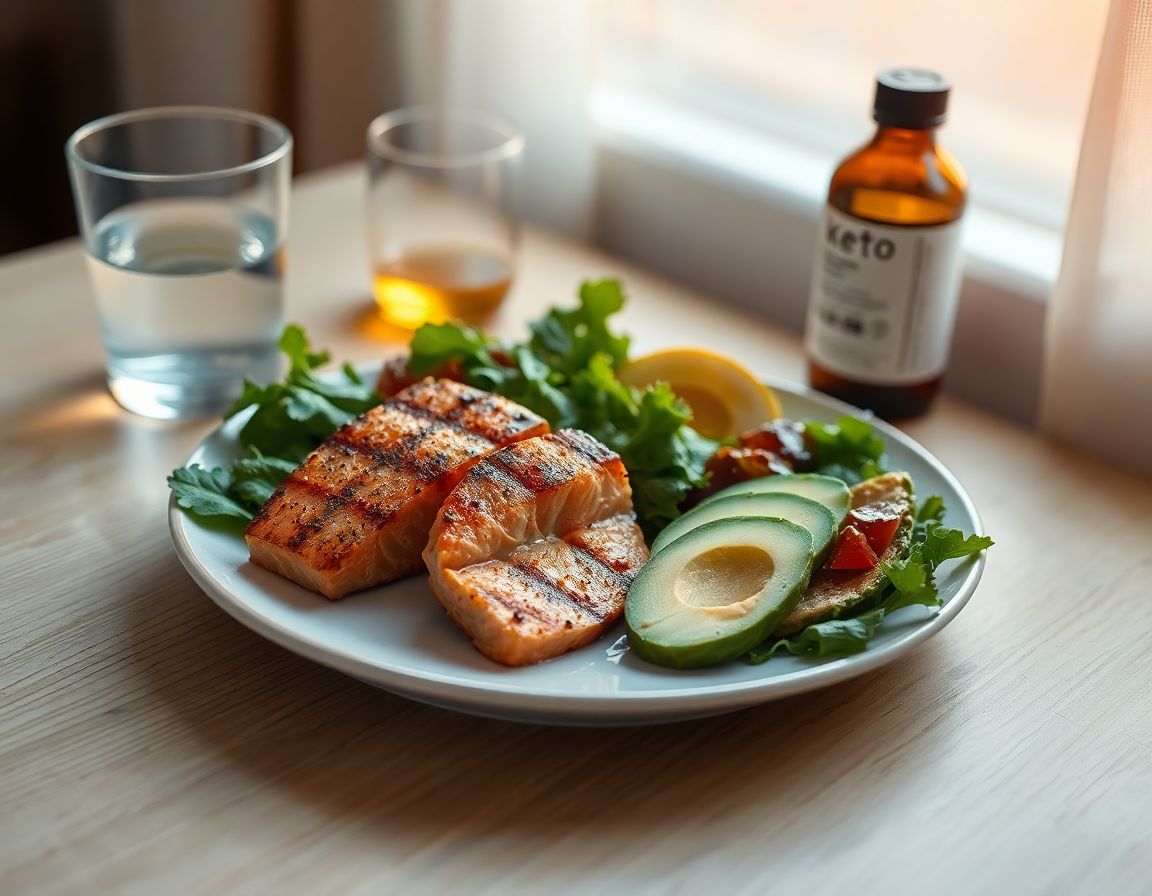
Your Body Already Makes GLP-1. For Free.
You've heard about Ozempic. Maybe your neighbor lost 30 pounds on it. Maybe your doctor mentioned it. The active idea behind those drugs is a hormone called GLP-1, and here's the part nobody tells you.
Your gut makes GLP-1 on its own. Every day. The food you eat decides how much.
Let me be straight with you first. A well-built keto plate won't match a prescription shot. The drug is stronger, and it's dosed to stay in your system for days. Food is milder and shorter. But the food effect is real, it's free, and you can stack it meal after meal. That's the protocol we're building today.
What GLP-1 Actually Does
GLP-1 stands for glucagon-like peptide-1. Ugly name. Simple job.
When you eat, cells in your small intestine release it. It slows how fast your stomach empties, tells your brain you're full, and helps your pancreas manage blood sugar. In plain English, it's the "okay, I'm satisfied, put the fork down" signal.
The problem with the standard Western diet? It's built to blunt that signal. Fast carbs hit your blood fast, spike insulin, and leave you hungry two hours later. You've felt it. You eat a bagel at 9am and you're raiding the pantry by 11.
Keto flips this. Here's why it works.
Protein Is Your Biggest GLP-1 Lever
Of the three things on your plate, protein drives the strongest GLP-1 response. It's not close.
Research on protein and satiety hormones has shown for years that a high-protein meal bumps GLP-1 and another fullness hormone called PYY more than a high-carb one. You eat protein, the signal fires, your appetite drops for hours.
So here's the protocol. Anchor every meal with 30 to 50 grams of protein. That's roughly a 6 to 8 ounce serving of meat, fish, or eggs. Do this and you're pulling the biggest lever available without a prescription.
A few solid picks:
- Eggs. Two or three of them start the day right.
- Fatty fish like salmon or mackerel. Protein plus omega-3s.
- Beef, chicken thigh, pork. Cheap, filling, no fuss.
Don't overthink the source. Hit the number. If you're not sure what your daily protein target should be, the KetoDial calculator runs it off your weight and goal in about a minute. Use it once, write the number down, and stop guessing.
Fat Slows Everything Down (In a Good Way)
Fat gets a bad rap here, but it earns its place. Fat also triggers GLP-1 release, and it slows stomach emptying so your meal sticks with you longer.
This is the piece people miss when they go low-carb but also low-fat by accident. They end up eating dry chicken breast and steamed nothing, then wonder why they're starving. You stripped out both fuel sources. Of course you're hungry.
On keto, fat is your energy. Cook your protein in real fat and don't fear it. Butter, olive oil, tallow, the fat marbled into your steak. That fat keeps the fullness signal running long after you've left the table.
One honest caveat. More fat isn't always better. If fat loss is your goal, you're eating fat to feel full, not to pour on extra calories. Enough to satisfy, not a flood. The calculator gives you a fat range for exactly this reason.
Fiber: The Slow-Burn Signal
Here's where it gets interesting, and where a lot of keto folks leave gains on the table.
Fiber, especially the fermentable kind, feeds the bacteria in your gut. Those bacteria produce short-chain fatty acids, and those compounds trigger even more GLP-1 release further down in your intestine. It's a second wave of the fullness signal, hours after you ate.
Most people going keto cut carbs so hard they drop fiber too. Bad move. You want low-carb vegetables on the plate.
- Broccoli, cauliflower, Brussels sprouts. Filling and low in net carbs.
- Leafy greens like spinach and kale.
- Avocado. Fiber and fat in one package.
- Chia and flax seeds. A tablespoon adds real fiber.
Aim for a fist-sized pile of green veg with your main meals. You stay in ketosis, you feed your gut, and you get that delayed GLP-1 bump for free.
The Full Plate Protocol
Let me put it together so you can build it tonight.
- Protein first. 30 to 50 grams. A palm-and-a-half of meat, fish, or eggs.
- Fat for satisfaction. Cook in it, or add a spoon of butter or oil. Enough to feel done, not stuffed.
- Fiber on the side. A fist of low-carb green vegetables.
- Water and electrolytes. Keto flushes sodium fast, and low electrolytes can read as hunger. Salt your food.
Do this three times a day and something changes in about a week. The 3pm crash fades. The nighttime snacking urge gets quiet. You're not fighting hunger with willpower anymore. Your own hormones are doing the work.
That's the whole point. Protocol beats willpower. You build the plate right and the appetite control comes as a side effect.
Being Honest About the Limits
I'm not going to oversell this. A prescription GLP-1 drug is a strong tool, and for some people it's the right call. Food won't hit the same intensity, and it won't last the same way in your system.
What food does is give you a real, repeatable nudge in the same direction, with no needle, no cost, and no side effects beyond eating well. For a lot of people, that nudge is enough to change the whole game.
If you're already on a GLP-1 medication or managing a condition like diabetes, don't change anything on your own. Talk to your doctor before you adjust your food or your meds. Diet shifts can change how your medication behaves, and that needs professional eyes.
Not a Doctor. I've coached people and eaten this way myself, so I know what works in practice. But I'm not your doctor. If you're on a GLP-1 medication, take other medication, or manage a condition like diabetes, talk to your doctor before you change how you eat. Everything here lines up with what research supports, but your mileage may vary.
Build the plate. Hit your protein. Keep the fat and fiber in play. Your body's been ready to make this hormone the whole time. Give it the raw materials and let it run.