Almond Flour Is the Worst. What Pros Bake With
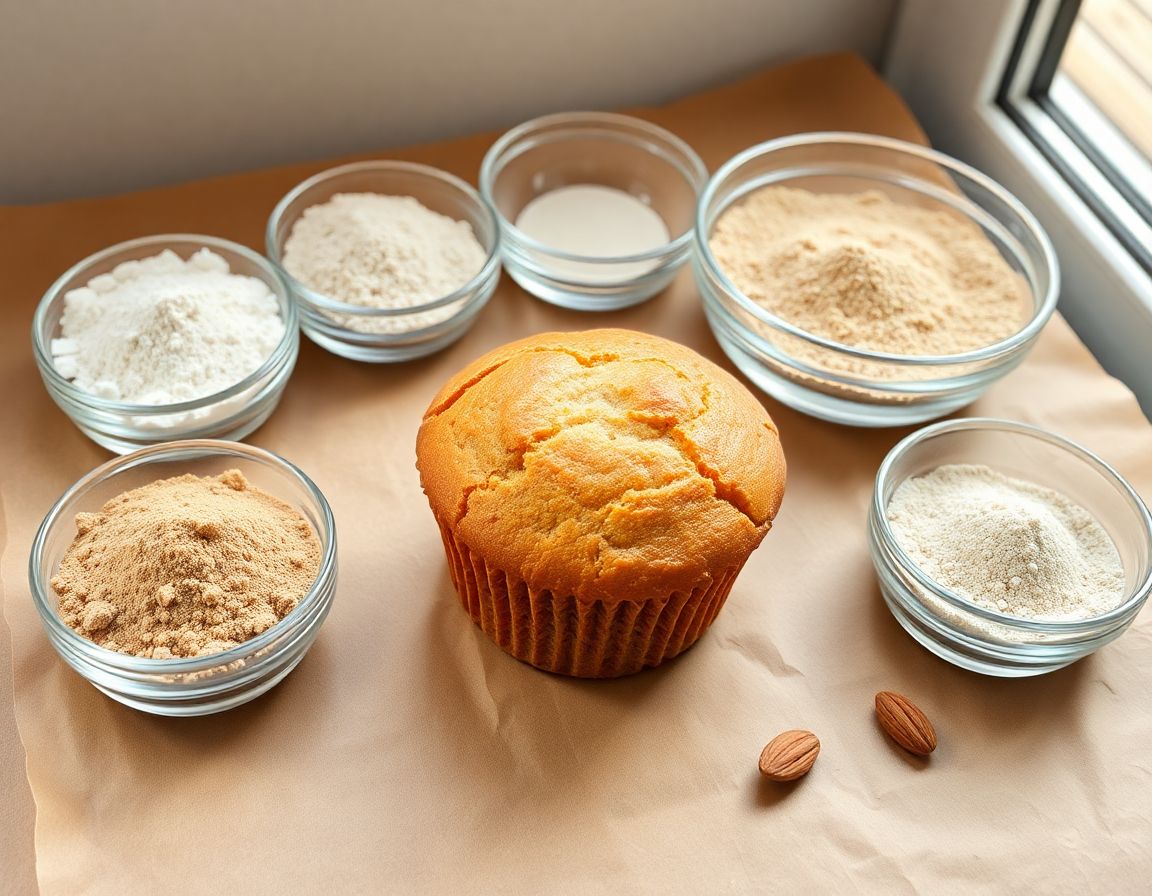
Okay, So Everyone's Mad at Almond Flour
Real talk: if you spend any time in keto baking groups, you've seen the almond flour hate. Someone posts a sad, dense muffin, and the comments pile on. "Almond flour ruined it." "I'm done with it." "Why does everything taste like a wet sponge?"
I'm not the only one who's noticed. It's become the punching bag of keto baking. And honestly? Some of the complaints are fair. Some of them are just people using it wrong.
So let's talk about what the community actually reaches for instead, and when each swap makes sense. Because "almond flour bad" isn't a recipe. You still need to bake something.
Why Almond Flour Gets Trashed
Here's the thing. Almond flour isn't evil. It's just needy.
It's high in fat, which sounds great until your cake collapses because the structure can't hold. It browns fast, so your edges burn while the middle stays gummy. And it soaks up moisture in a weird, uneven way that makes some recipes turn out dense and heavy.
Then there's the cost. Almonds aren't cheap, and if you bake often, that adds up quick. Plus a lot of folks are finding they feel puffy or snacky after almond-heavy treats, probably because it's easy to eat way more than you think.
So the frustration is real. But the fix usually isn't quitting. It's knowing what else is on the shelf.
Coconut Flour: The Love-It-or-Hate-It Swap
Coconut flour is the one people either swear by or swear at. There's no in-between.
It's super absorbent. Like, aggressively thirsty. A little goes a long way, and you need way more eggs and liquid than you'd expect. The general community rule is about a quarter of the amount you'd use for almond flour, plus extra moisture.
When it works, it's great for fluffy pancakes, quick breads, and anything where you want a lighter crumb. It's also cheaper per batch and lower in fat, which some people prefer.
When it doesn't work? When you dump it in one-for-one and end up with a dry hockey puck. Coconut flour punishes lazy swaps.
Sunflower Seed Flour: The Nut-Free Hero
This one flies under the radar, and I don't get why. If you've got a nut allergy or you're baking for kids at school, sunflower seed flour is your friend.
It behaves a lot like almond flour, so you can usually swap it one-for-one. Texture's similar, fat content's similar, and it's often cheaper.
One heads up: sunflower seeds react with baking soda and can turn your baked goods a spooky green color. It's harmless, but it freaks people out. A splash of lemon juice or a little extra acid usually keeps it from happening.
Lupin Flour: The One Everyone's Whispering About
Okay, so lupin flour is having a moment. I keep seeing it pop up in the groups, and people are genuinely excited.
It's made from lupin beans, and it's high in protein and fiber with barely any net carbs. That means it can give you actual structure, the kind almond flour struggles with. Folks mix it with a bit of almond or coconut flour and get bread that behaves more like, well, bread.
Two warnings from the community. First, it's related to peanuts, so if you've got a peanut allergy, skip it. Second, some people are sensitive to it and get an upset stomach, so start small.
Blends Are Where the Magic Happens
Here's what the pros actually do, and it took me too long to figure this out. They don't pick one flour. They blend.
The most common combo I see is almond plus coconut. The almond brings richness, the coconut adds structure and soaks up extra moisture. Together they cover each other's weak spots.
Some people throw in a spoon of psyllium husk or ground flax for chew and to hold everything together. That's the secret behind keto breads that don't fall apart the second you slice them.
So when someone says almond flour is the worst, the honest answer is usually "the worst on its own." As a team player, it's actually pretty good.
How to Know What's Working for You
Every one of these flours hits your macros differently. Coconut's lower fat, lupin's higher protein, almond's fat-heavy. And if you're trying to stay in a certain range, that stuff matters more than the taste debate.
This is where I'd nudge you toward the KetoDial calculator. Punch in what you're actually eating in a day, and you can see how a coconut-flour swap or a lupin blend changes your numbers. It's a lot less guessing than eyeballing a recipe and hoping.
Because sometimes the reason a food "isn't working" has nothing to do with the flour. It's the portion, or the total for the day. The calculator sorts that out fast.
My Honest Take
I'll be the first to admit I've made some tragic almond flour bakes. Dense, greasy, sad little things I fed to nobody.
But the community was right and wrong at the same time. Almond flour isn't the villain. It's just been asked to do a job it was never built to do alone.
Try the blends. Play with coconut and sunflower. Give lupin a shot if you want real structure. And run your macros through the calculator so you know what's actually landing.
The people getting great results aren't loyal to one flour. They're just paying attention. You can do that too.
I'm not a doctor or a professional baker, just someone who's deep in the keto community and reads way too many recipe threads. Take the health stuff with a grain of salt, and if you've got allergies or a medical condition, check with someone qualified before you go experimenting with new ingredients.