Keto Weight Loss Stalled? The 10-Point Checklist That Actually Works
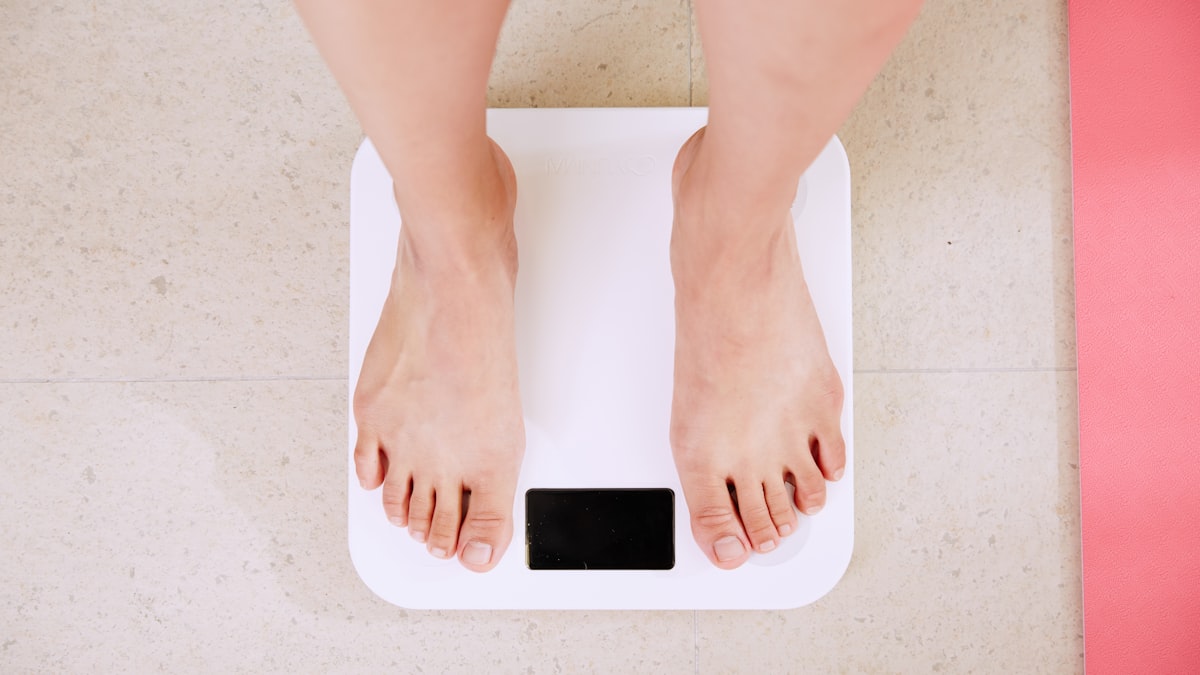
You're Doing Everything Right. So Why Did the Scale Stop?
You've been tracking your macros. You skipped the bread basket. You even said no to your coworker's birthday cake. And for a while, it worked beautifully. The weight came off, your energy improved, and you started to believe this keto thing was actually different.
Then it stopped. The scale hasn't moved in two weeks. Maybe three. And now you're wondering if something is wrong with you.
Here's what I've seen work with hundreds of people in this exact situation: it's almost never one big thing. It's usually a small, fixable issue hiding in plain sight. This checklist walks through the 10 most common stall causes, ordered by how likely they are to be your problem. Work through them one at a time. Most people find their answer in the first five.
1. Hidden Carbs Are Sneaking Past You
This is the number one stall cause I see, and it's not because people are careless. Food labels are genuinely misleading. In the US, manufacturers can round down to zero if a serving contains less than 0.5g of carbs. That "zero carb" coffee creamer you use three times a day? It might be adding 3-6g of carbs you're not counting.
Check these common culprits: sugar-free condiments (many contain maltodextrin, which spikes blood sugar faster than table sugar), pre-made salad dressings, "keto" protein bars with sugar alcohols like maltitol, and seasoning blends with hidden dextrose. Read ingredients, not just the nutrition panel. If you see maltodextrin, dextrose, or corn syrup solids in the first five ingredients, that product isn't keto-friendly regardless of what the front label claims.
2. Fat Calories Are Adding Up Faster Than You Think
Keto isn't a "more fat equals more weight loss" equation. That was true when you were becoming fat-adapted, but once you're there, your body needs to burn its own fat stores. If you're eating 200g of dietary fat per day, your body has no reason to tap into what's already on your frame.
The biggest offenders: nuts (a "small handful" of macadamias is easily 300 calories), cheese snacking between meals, bulletproof coffee with 2-3 tablespoons of butter, and heavy-handed olive oil pours. Try measuring your cooking fats with a tablespoon for one week. Most people discover they're adding 400-600 calories they weren't tracking. Use a keto macro calculator to find your actual fat target based on your current weight and goals.
3. You're Not Eating Enough Protein
This one surprises people. Old-school keto advice warned that "too much protein kicks you out of ketosis." The research doesn't support this for most people. Gluconeogenesis, the process of converting protein to glucose, is demand-driven, not supply-driven. Your body makes glucose when it needs it, not simply because you ate an extra chicken breast.
Low protein intake causes muscle loss, which tanks your metabolic rate. Aim for 0.8-1.0g of protein per pound of goal body weight. For someone aiming at 150 pounds, that's roughly 120-150g of protein daily. If you've been staying under 60g to keep your ratios "perfect," that's likely part of your stall. Prioritize protein at every meal.
4. Your Sleep Is Undermining Everything
One week of sleeping 5.5 hours per night instead of 8.5 hours reduced fat loss by 55% in a controlled University of Chicago study, even though participants ate the exact same calories. The sleep-deprived group lost more muscle and less fat. That's not a typo. Fifty-five percent less fat loss from sleep alone.
Poor sleep raises ghrelin (hunger hormone), lowers leptin (satiety hormone), and increases insulin resistance the next day. If you're sleeping less than 7 hours consistently, no amount of macro optimization will fully compensate. This is especially relevant in early keto when your sleep architecture may shift temporarily. If you're waking at 3 AM wired, check your electrolyte balance, particularly magnesium.
5. Stress Cortisol Is Holding Water and Fat
Chronically elevated cortisol tells your body to hold onto energy reserves. It increases water retention, promotes visceral fat storage, and makes your cells more insulin resistant. You can eat perfectly and still stall if your cortisol is through the roof from work stress, overtraining, or emotional strain.
Here's what to watch for: you're losing inches but not pounds (cortisol-driven water retention masks fat loss), you carry weight primarily in your midsection, you feel wired but tired, or you're doing intense exercise more than 5 days per week. Sometimes the best thing you can do for weight loss is take a walk instead of doing another HIIT session.
6. Sodium Swings Are Causing Water Weight Chaos
On keto, your kidneys excrete more sodium than on a standard diet. When your sodium intake swings wildly from day to day, your body responds with dramatic water retention and release. You might "gain" 3 pounds overnight after a salty restaurant meal, then "lose" 4 pounds two days later. None of that is fat. But it makes the scale look like your diet isn't working.
Steady sodium smooths this out, and the way to get there is salting your food to taste at every meal rather than chasing a daily milligram number. I've taken the target that used to sit on this line off the page on purpose. It was the same number for every reader, and section 7 below is about the medications that make it the wrong number for some of them. If you take anything for blood pressure, your heart or your kidneys, or you have been told to limit salt, that instruction still stands and nothing here overrides it. Don't fear salt on keto. Fear inconsistent salt.
7. Medications Are Working Against You
Several common medications can slow or stall weight loss. Beta-blockers reduce metabolic rate. Antidepressants (especially SSRIs and mirtazapine) can increase appetite and promote fat storage. Insulin and sulfonylureas for type 2 diabetes actively promote weight gain. Corticosteroids like prednisone raise blood sugar and increase fat storage.
If you're on any of these, don't stop taking them. Do talk to your prescribing doctor about your weight loss goals. Some medications have weight-neutral alternatives. Your doctor needs to know you're eating keto, especially if you're on diabetes or blood pressure medications, because your doses may need adjustment as your metabolic health improves.
8. Dairy Is Causing Inflammation
About 30-40% of the stall cases I've worked with resolved after removing dairy for three weeks. Dairy is technically keto-friendly, but the casein and whey proteins cause an inflammatory response in a meaningful percentage of people. This inflammation drives water retention and can interfere with fat metabolism.
The test is simple: remove all dairy for 21 days. No cream in coffee, no cheese, no butter (use ghee or tallow instead). If the scale starts moving again, you've found your answer. You can test individual dairy products back in one at a time. Many people find they tolerate butter and hard aged cheeses but not soft cheeses or heavy cream. If you want to explore a fully dairy-free approach, the carnivore community has excellent resources on cooking with animal fats instead.
9. You're Not Actually in Ketosis
This sounds obvious, but it's worth checking. If you're eyeballing portions rather than tracking, or if you started adding "just a little" fruit or sweet potato back in, you might have drifted out of ketosis without realizing it. The transition zone between 20-50g of net carbs is individual. Some people can eat 40g and stay in ketosis. Others get knocked out at 25g.
If you've never tested, pick up a blood ketone meter. Urine strips become unreliable after the first few weeks because your body gets more efficient at using ketones. A blood reading of 0.5-3.0 mmol/L confirms nutritional ketosis. Test first thing in the morning, before eating. If you're below 0.5, tighten your carbs to under 20g for two weeks and retest.
10. Your Timeline Expectations Need Adjusting
The first 2-4 weeks of keto produce dramatic scale drops, mostly from water and glycogen. After that, healthy fat loss is 0.5-2 pounds per week. If you've been keto for two months and lost 15 pounds total, you're actually ahead of schedule, even if the last two weeks showed nothing on the scale.
Fat loss isn't linear. It happens in "whooshes" and stalls. Your body releases fat from cells and temporarily fills them with water. Then one morning you wake up 2 pounds lighter. This pattern is well-documented and completely normal. Measure your waist, hips, and thighs weekly. Many people who think they've stalled are losing inches steadily. Take progress photos monthly. The mirror and the measuring tape often tell a very different story than the scale.
Your Action Plan
Don't try to fix all 10 at once. Start at number one and work down. Spend 5-7 days on each change before moving to the next. Track one variable at a time so you know what actually made the difference. Most stalls break within 2-3 weeks of finding the real cause.
If you want to recalculate your macros based on your current weight and activity level, that's often the single most productive thing you can do. Your macros from 20 pounds ago don't apply anymore. Prepping your meals in advance also makes it much easier to hit consistent targets without the guesswork.
Not a Doctor. I write from research and from what works for real people, but I'm not your doctor and this isn't medical advice. If you take medication, have a diagnosed condition, are pregnant, or have a history of disordered eating, talk to your healthcare provider before changing how you eat. Your bloodwork and history matter more than any article.