Why Keto Cravings Hit Hardest at Night (And 5 Ways to Stop Them)
Why Nighttime Is Different (And It's Not Just Willpower)
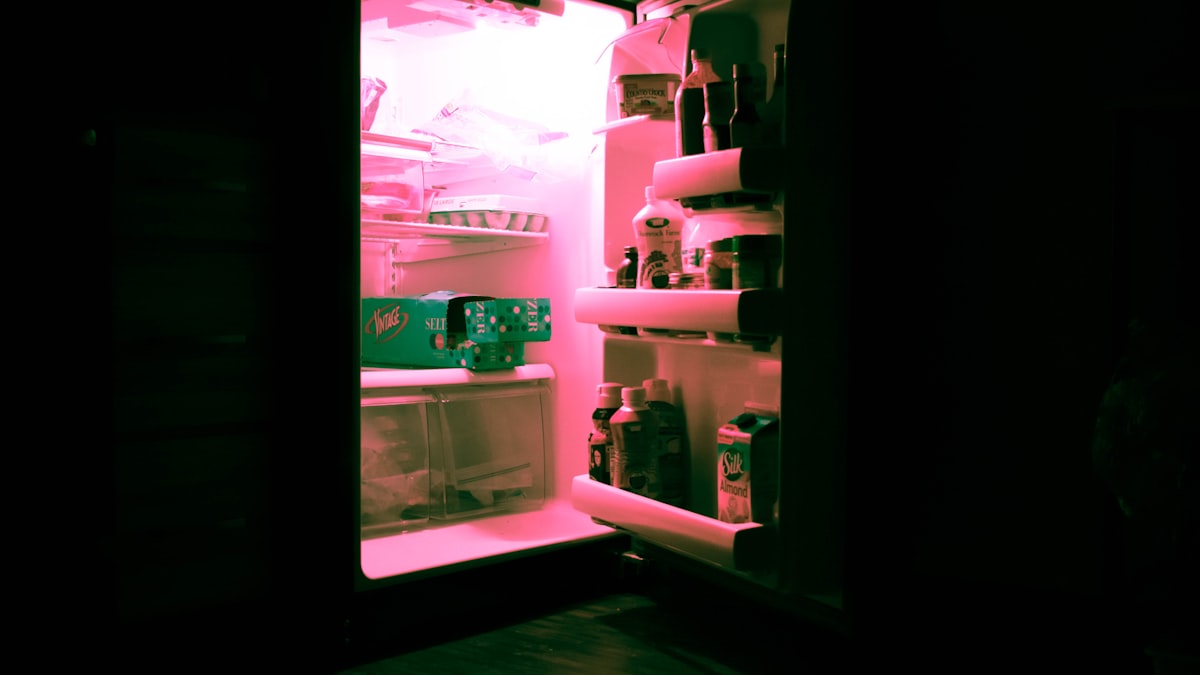
It's 9 PM. You've been solid all day. Breakfast was eggs and bacon, lunch was a big salad with grilled chicken, dinner was salmon with butter. You hit your macros. You feel good.
Then something shifts. Your brain starts whispering about crackers. Or ice cream. Or that bag of chips your kids left on the counter. And suddenly your rock-solid keto day feels like it's hanging by a thread.
Here's the thing: this isn't a willpower problem. It's a hormone problem. And once you understand the biology behind nighttime cravings, you can actually fix them instead of just white-knuckling through every evening.
Your body runs on a circadian rhythm that affects way more than sleep. Cortisol, your alertness hormone, peaks in the morning and drops throughout the day. That's by design. But as cortisol falls, ghrelin (your hunger hormone) tends to rise. At the same time, serotonin production dips in the evening before your body converts it to melatonin for sleep.
That combination of rising hunger signals and falling feel-good chemicals creates a perfect storm. Your brain starts looking for a quick serotonin boost. And what's the fastest way to spike serotonin? Carbs.
The Blood Sugar Factor Nobody Talks About
If you spent years eating a standard diet, your body got used to an evening glucose pattern. Dinner at 6 or 7 PM usually meant a big carb load: pasta, rice, bread, potatoes. Then maybe dessert. Your blood sugar would spike, insulin would surge, and your brain would get that familiar "fed and happy" signal.
When you switch to keto, you remove that evening glucose spike. Your blood sugar stays stable, which is metabolically great. But your brain doesn't immediately forget the pattern it learned over years or decades. It still expects that evening reward signal. When it doesn't come, it interprets that as a problem and sends craving signals to fix it.
The good news? This fades. Most people find that nighttime cravings drop significantly after 3 to 6 weeks of consistent keto. Your brain rewires. But in the meantime, you need strategies that work with your biology instead of against it.
Habit vs. Hunger: How to Tell the Difference
Before we get to fixes, you need to figure out what you're actually dealing with. There's a simple test.
Real hunger builds gradually, responds to any food, and goes away when you eat something substantial. You'd happily eat a plain chicken breast.
Habit cravings come on suddenly, target specific foods (usually sweet or crunchy), and don't go away even after eating something nutritious. You want cookies, not chicken.
If you can't tell which one you're dealing with, drink a full glass of water with a pinch of salt. Wait 15 minutes. If the craving fades, it was probably dehydration or a mineral gap masking itself as hunger. If it gets stronger, you might actually need food.
Fix 1: Front-Load Your Protein Earlier in the Day
This is the single most effective change I've seen people make. Most folks on keto backload their protein, eating a light breakfast and saving the big meal for dinner. But research on protein timing shows that eating more protein earlier in the day reduces hunger hormones throughout the entire evening.
Aim for 30 to 40 grams of protein at breakfast and again at lunch. That's roughly 4 to 5 eggs at breakfast, or a palm-sized portion of meat at each meal. When you hit those targets early, your ghrelin levels stay lower all day, and those 9 PM cravings often just don't show up.
If you're not sure how much protein you need overall, our macro calculator can give you a personalized target based on your weight and activity level.
Fix 2: Magnesium Before Bed
Magnesium deficiency is incredibly common on keto, and it makes nighttime cravings worse in two ways. First, low magnesium increases cortisol, which disrupts that natural evening wind-down your body needs. Second, magnesium is directly involved in serotonin production. Low magnesium means less serotonin, which means your brain pushes harder for a carb-based shortcut.
Magnesium is the one mineral on keto that's genuinely hard to get enough of from food, which is why it's the one people ask me about most. Form matters: glycinate absorbs well and is the one people tend to use at night, while magnesium oxide is cheap, poorly absorbed and mostly acts as a laxative. The amount is the part I won't put on a page that strangers read, because it depends on your kidney function and on everything else you already take. Take the form to a pharmacist along with your actual list and let someone who can see it tell you the rest.
You'll likely notice better sleep within a few days, and the craving reduction usually follows within a week.
Fix 3: The "Boring Snack" Strategy
If you do need to eat something at night, make it boring. Not boring as in bad, but boring as in simple whole foods that satisfy hunger without triggering a reward cascade in your brain.
- Two hard-boiled eggs with salt (12g protein, almost zero carbs)
- A few slices of aged cheddar (satisfying fat and protein combination)
- A small tin of sardines (omega-3s plus protein)
- A handful of olives (healthy fat, salty, minimal insulin response)
- Rolled deli meat with cream cheese (quick and filling)
What you want to avoid is keto-ified desserts. Fat bombs, keto cookies, sweet keto treats. Even with zero sugar, the sweetness triggers the same reward pathways that keep cravings alive. You're training your brain to expect a sweet reward at night, which is exactly the pattern you're trying to break.
Save the fancy keto recipes for planned meals. At night, keep it simple and savory.
Fix 4: Eat Enough Fat at Dinner
I see this constantly. Someone is trying to lose weight on keto, so they start cutting fat at dinner to reduce calories. They eat a lean chicken breast with steamed broccoli. Two hours later, they're raiding the pantry.
Here's why: your satiety hormones, especially cholecystokinin (CCK) and peptide YY, need dietary fat to trigger properly. When you eat a low-fat dinner, those hormones don't fully activate. Your brain never gets the "we're done eating" signal, so it keeps sending hunger cues all evening.
This doesn't mean you need to drown everything in butter. But your dinner should include a meaningful fat source. Cook your protein in olive oil or ghee. Add avocado. Use a full-fat dressing. Eat the chicken thighs instead of the breasts. A dinner with 25 to 35 grams of fat will keep you satisfied through the evening in a way that a lean meal simply won't.
Fix 5: The Sleep Connection
Poor sleep and nighttime cravings create a vicious cycle. When you don't sleep well, your ghrelin levels rise the next day by up to 28% according to research published in the journal Sleep. Your leptin (the "I'm full" hormone) drops. And your prefrontal cortex, the part of your brain responsible for impulse control, doesn't function as well.
So you get hit with stronger cravings AND less ability to resist them. Then the stress of fighting cravings disrupts your sleep that night, and the cycle repeats.
Breaking this cycle means treating sleep as a craving-reduction strategy, not a separate issue.
- Stop screens 60 minutes before bed (blue light suppresses melatonin)
- Keep your bedroom cool, around 65 to 68 degrees
- Eat your last meal at least 2 to 3 hours before sleep
- The magnesium glycinate from Fix 2 helps here too
When your sleep improves, your cravings often drop without any other changes. I've seen people struggle with nighttime eating for months, fix their sleep habits, and have the cravings disappear within a week.
When Cravings Are Actually Telling You Something
Sometimes cravings aren't just habit or hormones. Sometimes your body is genuinely trying to tell you something. Two common situations to watch for:
You're undereating. This is more common than people think, especially among women on keto. If your total daily calories are consistently below 1,200, your body will fight back with intense hunger signals at night. Keto works because of carb restriction, not because of extreme calorie restriction. Use the calculator to check whether you're eating enough.
You have electrolyte gaps. Sodium, potassium, and magnesium all drop faster on keto because lower insulin levels cause your kidneys to excrete more minerals. When these get too low, your body can send craving signals that feel like food cravings but are actually mineral deficiency. If your cravings come with muscle cramps, headaches, or fatigue, electrolytes are probably the real issue.
If you're eating enough calories, getting enough electrolytes, sleeping well, and still battling intense cravings after 6 to 8 weeks of consistent keto, that's worth discussing with a healthcare provider. Persistent cravings can sometimes signal thyroid issues, blood sugar dysregulation, or other metabolic factors that need professional evaluation.