Keto Meal Prep: 5 Days for Under $50
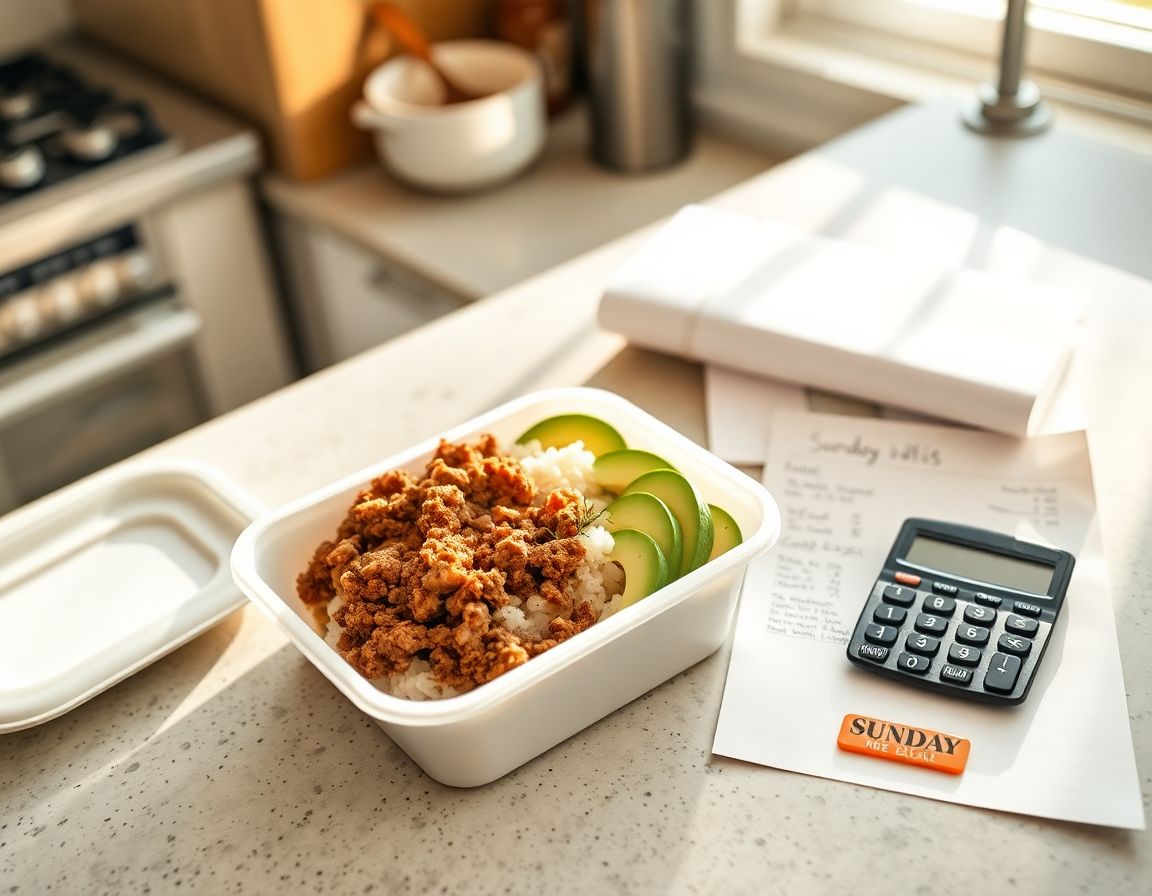
The $50 Keto Week
People love to say keto is expensive. I get it. Scroll through any keto subreddit and you'll see plates of ribeye and wild-caught salmon. That stuff looks great. It also costs $25 a plate.
Here's the thing: you don't need any of that. I've been eating keto for years, and most weeks my grocery bill is under $50. The trick isn't buying fancy food. It's buying the right food and cooking it all at once.
This is the exact system I use. 90 minutes on Sunday. Five days of meals. Under $50. Let's break it down.
The Shopping List
Everything here comes from a regular grocery store. No specialty shops, no weird ingredients, no "keto" branded products with a 400% markup.
- Ground beef, 80/20, 3 lbs. This is your base protein. Three pounds divides into ten 4.8 oz raw portions, one for every lunch and every dinner, with nothing left over. 80/20 has enough fat to keep things satisfying without adding oil to everything. Around $12-14.
- Eggs, 2 dozen. The most versatile keto food that exists. $5-7.
- Cheddar cheese, 1.5 lb block. Four ounces a day across the three meals, so 20 oz for the week with a little spare. Shred it yourself. Pre-shredded has anti-caking agents and costs more. $5-6.
- Frozen broccoli, 2 bags. Frozen is cheaper than fresh and just as nutritious. Don't let anyone tell you otherwise. $3-4.
- Frozen cauliflower, 2 bags. Same deal. Roasts well, mashes well, goes with everything. $3-4.
- Butter, 1 lb. For cooking. $4-5.
- Cream cheese, 1 block. An ounce a day in the eggs is five of its eight ounces, and the rest makes a sauce midweek. Two blocks is more than this plan can eat. $2.
- Hot sauce and mustard. If you don't already have these, grab them. $3-4.
Total: $37-46 depending on your area. That's five days of food for one person. Three meals a day, with every portion written down below so you can check my arithmetic against your receipt.
The Macro Breakdown
Before you start cooking, you need to know your numbers. This plan averages out to roughly 1,720 calories per day with about 110g protein, 133g fat, and 10g net carbs. That is what 3 lbs of beef, two dozen eggs and 1.5 lbs of cheddar actually divide into across five days. If your targets are different, run the calculator first and adjust portion sizes.
Here's what a typical day looks like. Weights are raw for the beef, because that is how you buy it:
- Breakfast: 4-egg scramble with 1 oz cream cheese and 1 oz cheddar. 500 cal, 34g protein, 38g fat, 3g carbs.
- Lunch: 4.8 oz ground beef with 1 cup broccoli and 2 oz cheddar. 625 cal, 43g protein, 46g fat, 5g carbs.
- Dinner: 4.8 oz ground beef as patties, 1 cup roasted cauliflower, 1 oz cheddar, 1 tbsp butter. 595 cal, 33g protein, 49g fat, 2g carbs.
That puts you at 110g protein, 133g fat, and 10g net carbs. If your protein target is higher, the cheapest way to close the gap here is the spare eggs and the spare 4 oz of cheddar, not more beef, because the beef is already divided to the gram.
One honest note about the butter. You will use around 9 tablespoons of it this week, roughly a quarter of the pound. Buy the pound anyway, it keeps, but don't count the rest of it as calories in this plan.
The 90-Minute Sunday Prep
This is the part that saves you during the week. Do all of this on Sunday and you won't touch a pan until next weekend.
Minutes 0-10: Brown the beef. All three pounds. Season with salt, pepper, garlic powder. Use your biggest skillet or a Dutch oven. Don't drain the fat. That's flavor and calories you need.
Minutes 10-25: Cook the eggs. I do two batches. First batch is scrambled with cream cheese. Second batch is hard-boiled for snacks. If you've got two burners going, do these while the beef finishes.
Minutes 10-40: Roast the vegetables. Spread frozen broccoli and cauliflower on sheet pans. Toss with melted butter and salt. 400 degrees for 25-30 minutes. Frozen veg goes straight on the pan. Don't bother thawing.
Minutes 40-60: Portion everything. The vegetables come out of the oven at 40, so this is when it can actually happen. Five containers for lunch, five for dinner. Divide the beef equally, 4.8 oz raw per container. Add a scoop of roasted veg to each. Top the lunch containers with shredded cheese now so it melts when you reheat.
Minutes 45-60: Breakfast prep. Shred the rest of the cheese. Portion cream cheese into five blobs on a plate lined with parchment. Crack eggs into a jar for quick scrambling. Some people pre-cook breakfast too, but I like my eggs fresh. Takes three minutes in the morning.
Minutes 60-90: Clean up and label. Wash everything. Stack your containers in the fridge. You're done.
Making It Work All Week
A few things I've learned from doing this hundreds of times:
Rotate your sauces. Monday might be hot sauce on the beef. Tuesday is mustard. Wednesday is a cream cheese sauce (just microwave cream cheese with a splash of water). Same base food, different flavor. This is how you don't get bored.
Glass containers over plastic. They don't stain, they don't smell, and beef reheats better in glass. Worth the investment.
Keep a food list on the fridge. When you're meal prepping on autopilot, it helps to see what's in bounds at a glance. We put together a set of printable keto food list cards for exactly this. Stick one on the fridge, one in your wallet.
Don't skip the hard-boiled eggs. They're your emergency food. Stuck in a meeting that ran long? Eat two eggs. That's 12g of protein and enough fat to hold you until dinner.
Weigh your portions at least once. You don't need to weigh everything forever. But do it once so you know what 6 oz of ground beef looks like in your specific containers. After that, eyeball it.
The Budget Math
I know $50 sounds too low for five days of keto. Here's why it works: you're not buying convenience. No pre-made keto bars ($3 each). No cauliflower pizza crusts ($8 a box). No almond flour ($12 a bag). You're buying actual food in bulk and cooking it yourself.
Ground beef, eggs, cheese, and frozen vegetables. That's 90% of what you need. It's not glamorous. But it's effective, it hits your macros, and it costs less than eating fast food every day.
If you've got an extra $10-15, add a rotisserie chicken. Now you've got variety for lunches and chicken stock from the carcass. But even without it, the base plan covers everything.
Stop Overthinking It
The best keto meal prep plan is the one you actually do. I've seen people spend three hours researching recipes, buy $150 worth of specialty ingredients, cook for an entire Sunday, and burn out after two weeks.
This plan is boring on purpose. Boring is sustainable. Boring means you don't have to think about food during the week. You open the fridge, grab a container, heat it up, and eat. That's it. The thinking already happened on Sunday.
If your macros don't match the breakdown above, that's fine. Run the calculator, get your real numbers, and adjust portion sizes. The system stays the same. The only thing that changes is how much goes in each container.