High-Protein Keto: Hit Macros Without Getting Kicked Out
The Protein Problem Nobody Talks About
You've heard it a hundred times. "Too much protein kicks you out of ketosis." It's the most repeated warning in keto circles. And it's mostly wrong.
Here's what actually happens. Your body can convert protein to glucose through a process called gluconeogenesis (GNG). That part is true. But GNG is demand-driven, not supply-driven. Your body makes glucose when it needs it, not just because you ate an extra chicken breast.
The real problem? Most people on keto aren't eating enough protein. They're so scared of getting "kicked out" that they under-eat the one macro that preserves muscle, keeps you full, and drives your metabolism.
Stop overthinking it. Here's the protocol for eating high-protein keto without losing your edge.
The Numbers: How Much Protein You Actually Need
Forget percentages for a minute. Ratios are lazy math. A 130-pound woman and a 220-pound man shouldn't eat the same grams of protein just because they both aim for "25% of calories."
Use this instead:
- Sedentary: 0.8g protein per pound of lean body mass
- Active (3-4 sessions/week): 1.0g per pound of lean body mass
- Hard training (5+ sessions, lifting heavy): 1.2g per pound of lean body mass
Don't know your lean body mass? Take your weight, subtract your estimated body fat. A 180-pound person at 25% body fat has about 135 pounds of lean mass. At 1.0g per pound, that's 135g of protein daily.
That's probably more than you're eating right now. And it won't wreck your ketosis. Research consistently shows protein intakes up to 1.2g per pound of lean mass don't meaningfully raise blood glucose or drop ketone levels in fat-adapted individuals.
Why High Protein Keeps You in Ketosis (Not Out of It)
Three reasons this works better than you'd expect.
1. Protein has the highest thermic effect. Your body burns 20-30% of protein calories just digesting them. Fat? Only 0-3%. So 100 calories of steak costs your body 25 calories to process. That's metabolic work in your favor.
2. Protein controls hunger better than fat. This is the big one. If you've ever stalled on keto, the fix might not be cutting carbs lower. It might be running through your stall checklist and bumping protein up. Satiety goes up, snacking goes down, total calories drop naturally.
3. GNG doesn't work the way keto forums say it does. Your liver performs GNG 24/7 whether you eat protein or not. It's a background process, not a protein-triggered emergency. Eating 150g of protein doesn't flip a switch that dumps sugar into your blood. Marcus wrote about the protein leverage hypothesis over at Carnivore Weekly. The short version: your body prioritizes protein above everything else. When you don't get enough, cravings spike.
The High-Protein Keto Protocol
Here's the protocol. Follow it for 14 days and measure your results.
Step 1: Set your protein floor. Calculate your lean body mass. Multiply by 1.0. That number is your daily minimum. Hit it every single day. No excuses.
Step 2: Keep carbs at 20-30g net. This doesn't change. Protein goes up, carbs stay locked. The math doesn't lie. If carbs are low enough, you stay in ketosis regardless of protein intake.
Step 3: Let fat fill the rest. Fat becomes the flexible macro. You don't need to hit a fat target. Eat enough to feel satisfied, not stuffed. If you're trying to lose body fat, this is where the deficit comes from. Not from cutting protein.
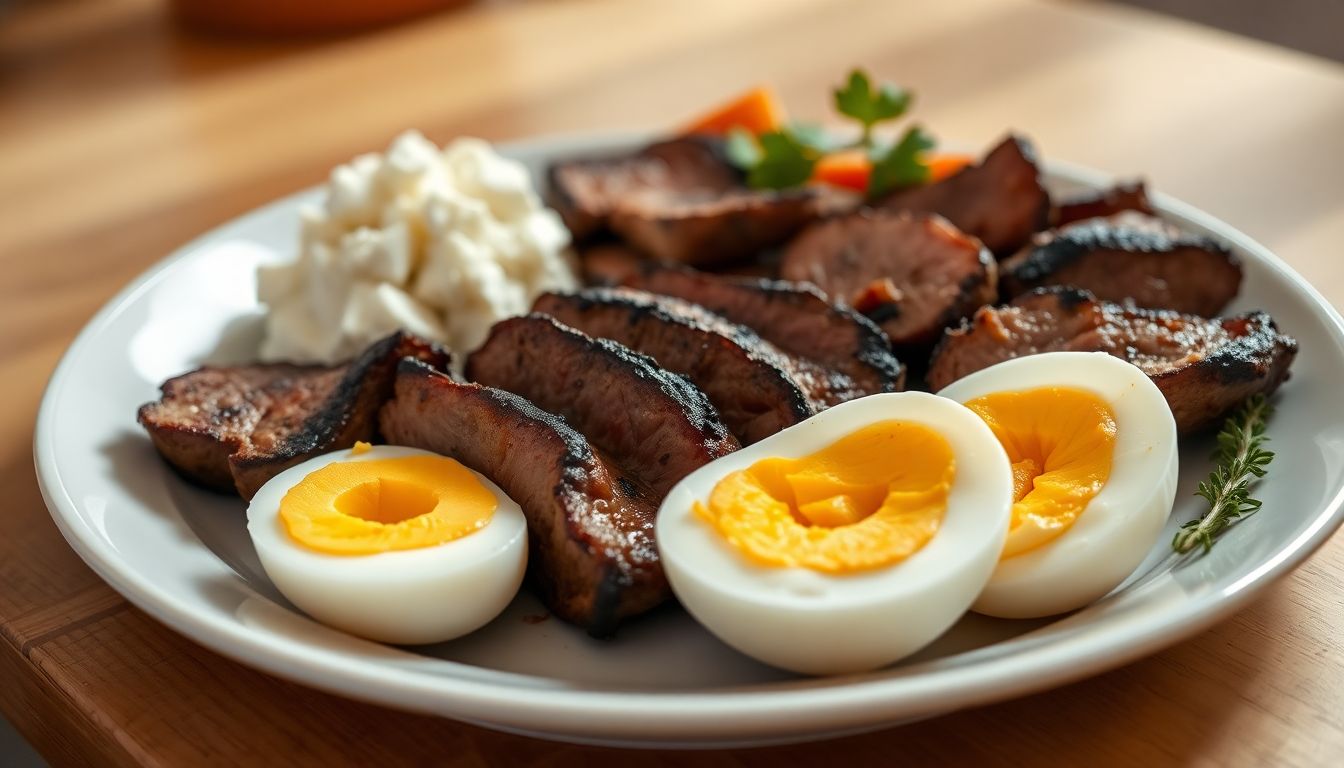
Step 4: Front-load protein. Eat your biggest protein serving at your first meal. This sets your appetite for the day. A 40-50g protein breakfast (3-4 eggs with ground beef, for example) kills cravings before they start.
Best High-Protein Keto Foods
Not all protein sources are equal on keto. You want high protein-to-fat ratios without hidden carbs. Here's what works.
Tier 1 (protein-dense, low carb, affordable):
- Chicken thighs, bone-in: 19g protein per average 5 oz thigh, under $2/lb on sale
- Ground beef (80/20): 20g protein per 4oz serving
- Eggs: 6g protein each, the cheapest whole food on the planet
- Canned tuna/sardines: 20-25g protein per can
Tier 2 (excellent but pricier):
- Ribeye steak: 25g protein per 4oz, plus quality fats
- Salmon: 23g protein per 4oz, loaded with omega-3s
- Pork tenderloin: 22g protein per 4oz, very lean
For a full breakdown of the best options, check the complete keto protein foods guide. It covers everything from budget picks to premium cuts.
If you're meal prepping on a budget, you can build a full week of high-protein keto meals around Tier 1 foods. The keto meal prep under $50 guide breaks down exactly how to do that without repeating the same meal five nights in a row.
What About Training on High-Protein Keto?
If you're lifting or doing any kind of resistance training, protein becomes even more important. Muscle protein synthesis (MPS) peaks when you hit 30-40g of protein in a single sitting. Spacing your meals to hit that threshold 3-4 times per day is the sweet spot.
And no, you don't need carbs to train hard. The question of whether you need carbs for working out on keto has been answered over and over. Once you're fat-adapted (4-6 weeks in), your performance comes back. For most people, it comes back stronger.
Post-workout protocol: 40g protein within 90 minutes of training. Add 5g creatine monohydrate daily (no carbs needed for absorption, despite what the old bro-science says). Track your lifts week over week. The numbers tell you if it's working.
How to Know It's Working
Don't guess. Measure.
- Week 1-2: Track protein intake daily. Use an app or a notebook. Hit your floor every day.
- Week 2-4: Check body composition, not just scale weight. Waist measurement is more useful than the number on the scale.
- Ongoing: If you own a blood ketone meter, test in the morning before eating. Anything above 0.5 mmol/L means you're in ketosis. Most people eating 1.0-1.2g protein per pound of lean mass still read 0.8-1.5 mmol/L.
If your ketones are fine and your energy is stable, you're good. If you're losing fat and maintaining strength, you're ahead of 90% of people on keto. The protocol works. Trust the data, not the forum panic.
Not a Doctor
I'm not a doctor. I've coached people and competed myself, so I know what works. But I'm not your doctor. If you have health issues or take meds, check with someone qualified. Everything here is based on what works in practice and what research supports. Your mileage may vary.
If you'd rather not do the arithmetic by hand, our sister site Carnivore Weekly built a macro calculator for carnivore and keto that sets protein first, the same way this article does.