Seed Oils on Keto: Do They Actually Matter?
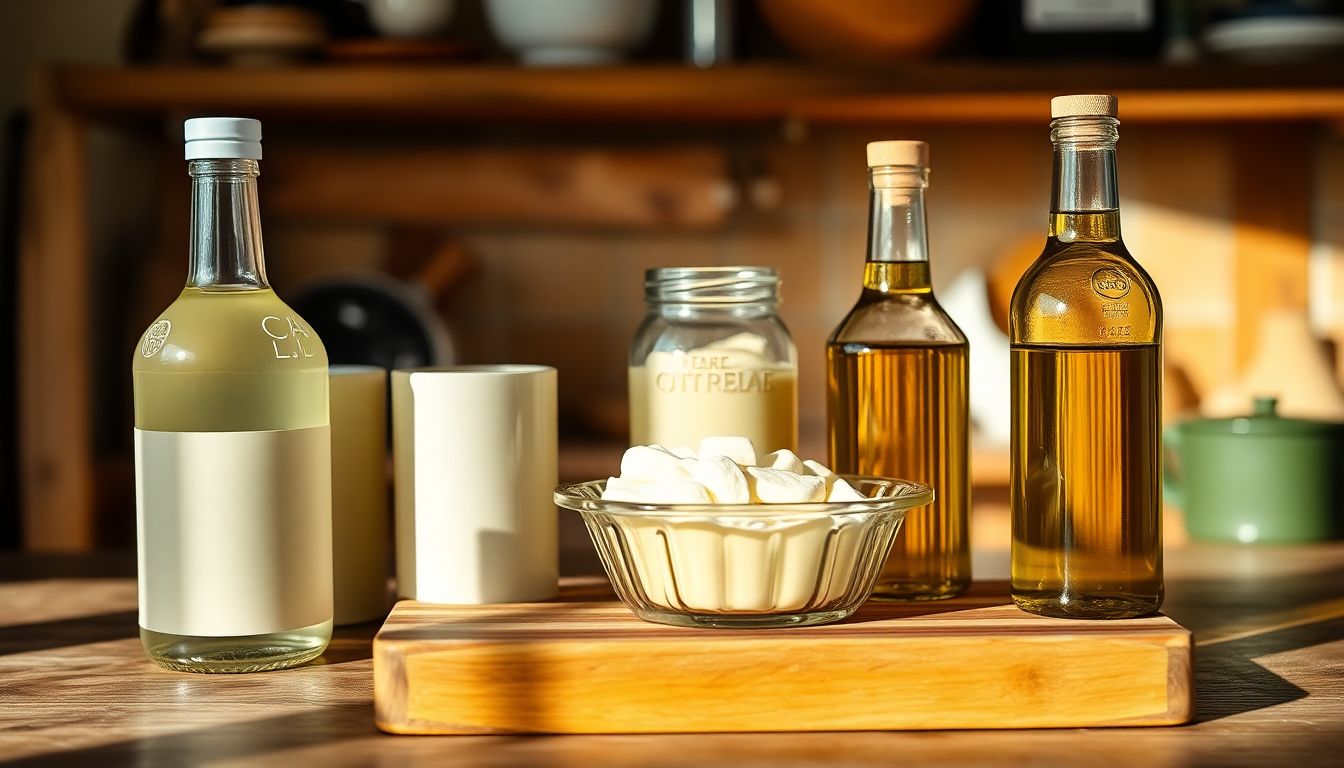
Seed Oils on Keto: Do They Actually Matter?
You've cut the carbs. You're hitting your macros. Your ketone strips look great. But there's a conversation happening in keto circles that goes beyond carb counting, and it's about the quality of the fats you're eating.
Specifically, seed oils. Canola, soybean, sunflower, corn, safflower, cottonseed. They're in almost everything at the grocery store. And a growing number of people are asking whether these oils are quietly undermining their results.
Let's break down what the research actually says, what's probably overblown, and what you can do about it without losing your mind.
What Are Seed Oils, Exactly?
Seed oils are vegetable oils extracted from the seeds of plants using industrial processing. We're talking about high heat, chemical solvents like hexane, and deodorizing steps that strip out any natural flavor or smell.
The most common ones you'll find are:
- Canola (rapeseed) oil
- Soybean oil
- Corn oil
- Sunflower oil
- Safflower oil
- Cottonseed oil
- Grapeseed oil
These oils are high in omega-6 polyunsaturated fatty acids (PUFAs), particularly linoleic acid. And that's where the conversation gets interesting.
The Omega-6 Problem
Your body needs some omega-6 fats. They're essential, meaning you can't make them yourself. The issue isn't that omega-6 exists in your diet. It's the ratio.
Historically, humans ate omega-6 and omega-3 fats in roughly a 1:1 to 4:1 ratio. Modern Western diets? Some estimates put that ratio closer to 15:1 or even 20:1. Seed oils are a major driver of that shift.
Why does this matter? Omega-6 fatty acids, when consumed in excess relative to omega-3s, can promote inflammatory pathways in the body. Research published in Biomedicine & Pharmacotherapy found that elevated omega-6 to omega-3 ratios are associated with increased inflammatory markers and higher rates of chronic disease.
On keto, you're eating a lot of fat. If a big chunk of that fat is coming from seed oils, you're potentially amplifying an imbalance that most people already have.
But Wait. Is It Really That Simple?
Here's where I want to be honest with you. The seed oil conversation online can get pretty extreme. Some people treat canola oil like it's poison. The reality is more nuanced than that.
Not all seed oil consumption leads to immediate health problems. Context matters. A small amount of soybean oil in a salad dressing isn't the same as deep-frying everything in corn oil. Dose matters. Duration matters. Your overall diet pattern matters more than any single ingredient.
That said, there are legitimate reasons to be thoughtful about it, especially on keto.
Why Keto Makes This More Relevant
When you're eating a standard diet, fat makes up maybe 30% of your calories. On keto, it's 70% or more. That means the type of fat you choose has an outsized impact on your body composition, inflammation levels, and how you feel day to day.
Think about it this way. If you're getting 150+ grams of fat per day, and a significant portion comes from seed oils in processed foods, cooking oils, and restaurant meals, that's a lot of linoleic acid flowing through your system.
If you're already putting in the work to eat keto, it makes sense to pay attention to fat quality. You wouldn't fill a sports car with the cheapest gas at the station. Same principle.
What to Use Instead
The good news is that swapping out seed oils is one of the easiest upgrades you can make. And the replacements taste better anyway.
Here's what I recommend for keto cooking:
- Butter and ghee for sauteing, baking, and finishing dishes
- Tallow and lard for high-heat cooking and frying
- Extra virgin olive oil for dressings, low-heat cooking, and drizzling
- Coconut oil for baking and medium-heat cooking
- Avocado oil for high-heat cooking when you want a neutral flavor
I wrote a full breakdown of which fats work best for different cooking methods in our keto cooking fats guide. It covers smoke points, flavor profiles, and when to use each one.
The Hidden Sources You're Probably Missing
Here's the tricky part. Even if you cook with butter at home, seed oils sneak in through packaged foods, restaurant meals, and ingredients you wouldn't expect.
Common keto-friendly foods that often contain seed oils:
- Store-bought mayo (most brands use soybean oil)
- Salad dressings
- Nuts roasted in "vegetable oil"
- Keto snack bars and fat bombs
- Cheese products and cream cheese (some brands)
- Pre-made sauces and marinades
Reading labels becomes important here. When you're putting together your keto grocery list, flip the package over. If you see canola, soybean, sunflower, or "vegetable oil" in the ingredients, there's almost always a cleaner alternative on the same shelf.
This doesn't mean you need to be perfect about it. If you eat out twice a week and the restaurant cooks in canola oil, that's not going to destroy your progress. But at home, where you control the ingredients, making the switch is simple and cheap.
A Practical Approach (Not a Paranoid One)
I don't think you need to carry a seed oil detector to restaurants or interrogate waiters about their fryer oil. That's not a sustainable way to live.
Here's what actually moves the needle:
- Cook at home with clean fats. Butter, ghee, olive oil, tallow. This alone eliminates most of your seed oil exposure.
- Check labels on your regular buys. Switch mayo, dressings, and cooking sprays to versions made with avocado or olive oil.
- Don't stress about eating out. Focus on what you can control at home. The occasional restaurant meal in seed oil won't undo your progress.
- Batch prep with good fats. When you meal prep for the week, you control every ingredient. This is where the real wins happen.
If you want to go deeper on the elimination side, Sarah wrote a thorough piece over at Carnivore Weekly on cutting seed oils completely. It's more strict than what most keto folks need, but the science breakdown is worth reading.
So, Do Seed Oils Actually Matter on Keto?
Yes. But probably not in the dramatic, fear-based way you see on social media.
They matter because keto amplifies the impact of your fat choices. When fat is the majority of your calories, the quality of that fat shapes your inflammation levels, your energy, and your long-term metabolic health.
They don't matter in the sense that a tablespoon of canola oil will ruin your ketosis or make you sick overnight. Biology doesn't work like that.
The smart move is to make clean fats your default at home, read labels on the things you buy regularly, and not lose sleep over the occasional restaurant meal. That approach gets you 90% of the benefit with none of the anxiety.
Your body is doing the hard work of running on fat. Give it the good stuff.
A note from Sarah: I'm not a doctor. I've spent years researching nutrition and metabolic health, and I've worked with many people on their keto journeys, but I'm not your doctor. If you have health conditions, take medications, or need specific guidance, talk to someone who knows your full medical picture. Everything here is educational based on research and what I've seen work. Your situation might be different.