Keto vs. Carnivore: Which One's Actually for You
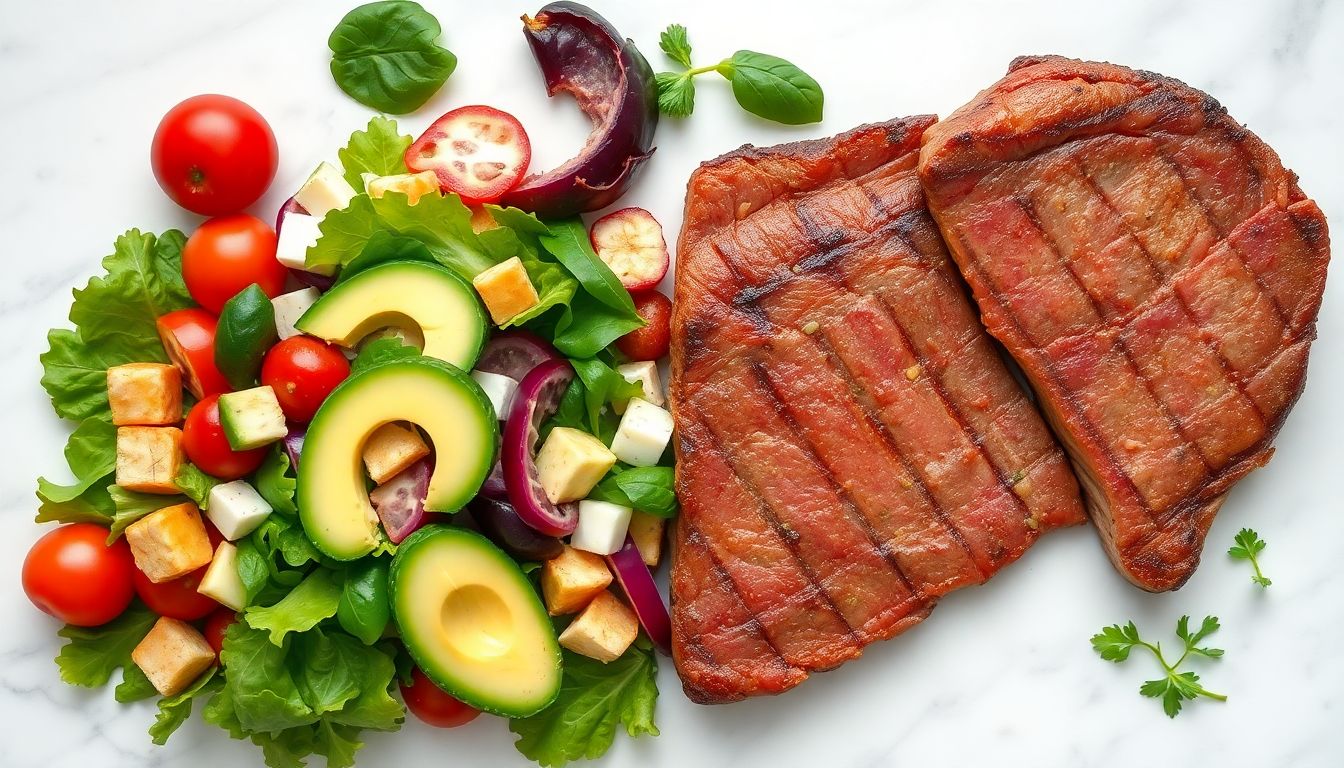
The Argument Nobody Needs to Have
I spend a lot of time in both keto and carnivore communities. I run the community over at Carnivore Weekly, and now I'm helping build KetoDial. So I see both sides of this debate every single day.
And honestly? The debate is mostly pointless.
Not because the diets are the same. They're not. But because the way people argue about them online has almost nothing to do with what actually matters: figuring out which approach works for your body, your life, and your goals.
So let's skip the tribalism and just talk about what's actually different, who tends to do well on each, and why you don't have to pick a team.
What's Actually Different
At the most basic level, both keto and carnivore are low-carb, high-fat ways of eating. They both put your body into ketosis (or close to it). They both prioritize protein and fat over carbohydrates. That's where the similarities end.
Keto is defined by macronutrient ratios. You eat under a certain amount of carbs (usually 20-50g net carbs per day), hit a protein target, and fill the rest with fat. What foods you eat to get there is up to you. Avocados, nuts, cheese, meat, fish, leafy greens, berries in moderation. It's flexible.
Carnivore is defined by food selection. You eat animal products only. Meat, fish, eggs, and sometimes dairy. No plants, no exceptions (for strict carnivore, anyway). You don't count macros because the food selection handles it naturally.
The practical difference is huge. Keto gives you a framework. Carnivore gives you a rulebook. Some people thrive with frameworks. Others need the rulebook.
Who Tends to Do Well on Keto
In my experience managing these communities, the people who love keto tend to share a few traits:
- They like variety. They want salads, keto desserts, different cuisines. They don't want to eat the same three foods every day.
- They're comfortable with tracking. Counting macros doesn't stress them out. They actually kind of enjoy it, or at least don't mind it.
- They cook for a family. Making one keto meal that everyone can eat (even if the kids add rice or bread on the side) is way easier than making a carnivore meal alongside a "normal" dinner.
- They want to lose weight. Keto with proper macro tracking is incredibly effective for fat loss. When you know your exact numbers, you can create a precise deficit without guessing.
- They're coming from a standard diet. Keto is a big change from the standard American diet, but it's not as big a leap as carnivore. There's still plenty of familiar food on the plate.
If any of that sounds like you, keto is probably your starting point. Get your macros dialed in and give it 30 days before you decide anything.
Who Tends to Do Well on Carnivore
The carnivore crowd is different. Not better. Different.
- They have autoimmune or digestive issues. This is the big one. I can't tell you how many people in our community came to carnivore because nothing else worked for their IBS, psoriasis, or joint pain. Removing plant foods entirely is sometimes what it takes.
- They're done with food decisions. Decision fatigue is real. Some people want to open the fridge, grab meat, cook it, eat it. Done. No weighing, no tracking, no recipe searching.
- They've already done keto. A lot of carnivore people started with keto and eventually simplified. They noticed they felt best on the days they ate mostly meat anyway.
- They want an elimination baseline. Carnivore is the ultimate elimination diet. Start with just meat and salt, then add foods back one at a time to see what bothers you.
- They don't care about dessert. Seriously. If you don't miss sweet food, carnivore is pretty easy. If you do miss it, it's torture.
The Part Nobody Talks About
Here's what the internet debates always miss: most people's diets aren't static. They change over time, and that's not just okay, it's normal.
I've watched thousands of people go through this journey in our communities. The pattern I see most often looks something like this:
Start keto. Feel amazing. Lose weight. After six months, get curious about carnivore. Try it for 30 days. Maybe stick with it, maybe go back to keto with a better understanding of which foods work for them. Some people bounce back and forth seasonally. More plant foods in summer, more meat-heavy in winter.
None of that is failure. It's fine-tuning.
The worst thing you can do is pick a label and defend it like it's your identity. I see this constantly online. People who've been keto for three weeks arguing with people who've been carnivore for three weeks about which approach is superior. Meanwhile, neither of them has stuck with anything long enough to actually know.
How to Actually Decide
If you're standing at this fork in the road, here's what I'd suggest:
Start with keto if you're new to low-carb. It's a smaller change from how you eat now, and the flexibility makes it more sustainable for most beginners. Calculate your macros properly (don't guess), track for at least two weeks, and see how you feel.
Try carnivore if you've been doing keto and still have unresolved issues. Skin problems, gut issues, inflammation, joint pain. If keto helped but didn't fix everything, a 30-day carnivore experiment might give you answers.
Don't try carnivore first just because it sounds hardcore. I see this a lot. People skip keto entirely and jump straight to all-meat because some YouTuber made it sound like the answer to everything. For some people, it is. But for most beginners, it's too drastic a change, and they quit after a week.
Either way, get your protein right. That's the one thing keto and carnivore agree on. Your body needs enough protein, and most people don't eat enough. The calculator will tell you exactly how much.
We're Not Picking Sides
KetoDial exists because a lot of people need good keto tools. Carnivore Weekly exists because a lot of people thrive on all-meat diets. We're not going to pretend one is better than the other because that's not how bodies work.
What we will do is give you honest information. No tribal loyalty, no dogma, no acting like one way of eating is morally superior to another. They're both tools. The best tool is the one that works for you.
Figure out which one that is. Then stick with it long enough to actually see results. That's the whole game.