Dirty Keto vs Clean Keto: The Real Debate
Okay So, This Fight Has Been Going On Forever
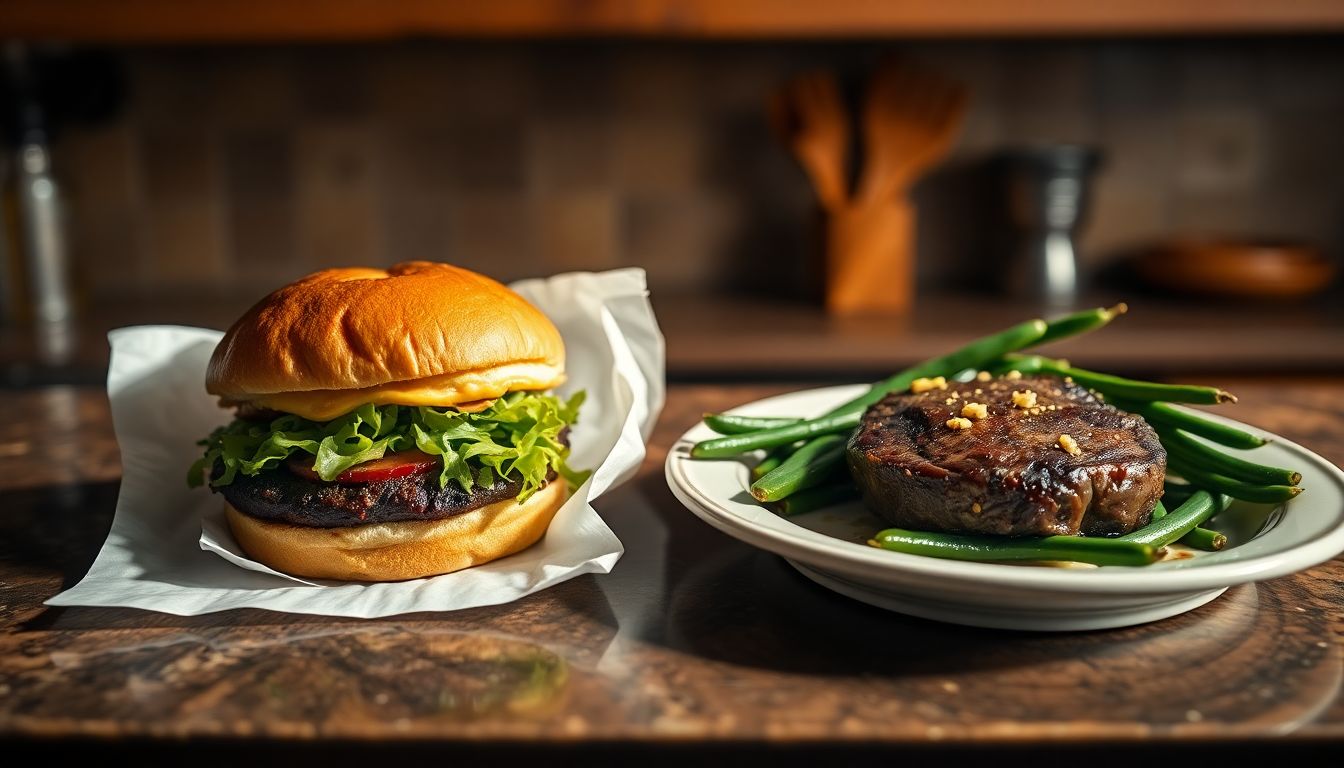
If you've spent more than five minutes in any keto Facebook group, Reddit thread, or YouTube comment section, you've seen it. Someone posts a pic of their McDonald's bunless burger with a side of pork rinds and a Diet Coke. The caption says something like "down 14 pounds in three weeks, keto is magic."
And then the comments explode.
"That's not real keto." "Seed oils are destroying your gut." "If it fits your macros, it works." "You're going to stall in a month." "Stop gatekeeping." "Stop promoting garbage food."
Welcome to the dirty keto vs clean keto war. It's been raging since at least 2018 and honestly, it's not going anywhere. But here's the thing. Both sides have some valid points, and both sides get a little too intense about it sometimes. Let's actually break this down.
What People Mean by "Dirty Keto"
Dirty keto is basically hitting your macro targets (high fat, moderate protein, very low carb) without worrying too much about where the food comes from. Think fast food without the bun, processed cheese, sugar-free energy drinks, Quest bars, and bacon from whatever brand is cheapest.
The logic is simple. Ketosis is a metabolic state driven by carb restriction. If you keep carbs under 20-30 grams a day, you'll get into ketosis whether you're eating grass-fed ribeye or a gas station hot dog wrapped in lettuce. Your body doesn't check the ingredient label.
And for a lot of people, this approach works. Especially at the beginning. The weight comes off, the energy picks up, and the simplicity of "just keep carbs low" makes it easy to stick with. If you quit keto last time because it felt too complicated, dirty keto might be what gets you back in.
What People Mean by "Clean Keto"
Clean keto is the same macro framework but with a strong emphasis on food quality. We're talking grass-fed meat, pastured eggs, wild-caught fish, organic vegetables, avocado oil instead of canola, and absolutely zero artificial sweeteners. The cooking fats you choose matter just as much as the carb count.
Clean keto folks argue that ketosis is just one piece of the puzzle. Inflammation matters. Gut health matters. Nutrient density matters. You can be in ketosis and still feel terrible if you're eating processed junk all day. They're not wrong about that.
The trade-off is that clean keto costs more, takes more prep time, and requires a lot more thought at the grocery store. It's not as simple as grabbing whatever's convenient.
What the Community Actually Fights About
Here's where it gets spicy. The real argument isn't about nutrition science. It's about identity and gatekeeping.
The clean keto crowd sometimes treats dirty keto people like they're doing something shameful. "You're not really doing keto." "You're just eating junk food without bread." This drives people away. Imagine losing 30 pounds and feeling great, then getting told by strangers online that you're doing it wrong. That's demoralizing.
On the flip side, the dirty keto crowd sometimes dismisses real concerns about food quality as elitism. "Not everyone can afford grass-fed beef." "Stop shaming people for eating what they can." Which is fair. But it can also become an excuse to never think critically about what you're putting in your body.
The truth, as usual, is messier than either side wants to admit.
What Actually Matters (Real Talk)
Here's what I've seen after years of watching this play out in communities. Most people who stick with keto long term end up somewhere in the middle. They start dirty because it's easy, they see results, and then they gradually start caring more about ingredients.
Not because someone shamed them into it. Because they started feeling the difference.
Swap cheap vegetable oil for butter or tallow and you might notice your skin clears up. Switch from processed deli meat to real cuts and your energy gets more stable. Start building a solid keto grocery list and suddenly meal prep gets easier, not harder.
Sarah over at Carnivore Weekly wrote a really solid piece on why food quality matters beyond just macros. It's worth reading if you want the science side of this conversation.
The Part Nobody Talks About: Sustainability
Here's something that gets lost in all the arguing. The best version of keto is the one you'll actually do for longer than six weeks.
If clean keto means you spend three hours meal prepping every Sunday and you hate every second of it, you're going to quit. If dirty keto means you're eating the same fast food combo every day and your digestion is a mess, you're also going to quit.
Most successful long-term keto people I've talked to describe a kind of evolution. They start simple. They learn as they go. They make upgrades when it makes sense for their budget, their schedule, and their taste buds. They don't flip a switch from "gas station keto" to "organic farmer's market keto" overnight.
And that's totally fine.
A Few Things Both Sides Can Agree On
Believe it or not, there's actually a lot of common ground here if people would stop yelling for five seconds.
- Cutting carbs works. Whether you're eating clean or dirty, carb restriction drives fat loss for most people. That's the foundation.
- Protein matters. Both camps agree you need adequate protein. Undereating protein is a mistake no matter what style you follow.
- Seed oils are probably not great. Even a lot of dirty keto folks are starting to avoid soybean oil and canola. This is one area where the clean keto message is winning hearts and minds.
- Progress beats perfection. Going from a standard American diet to any version of keto is a massive improvement. Don't let perfect be the enemy of good.
- Shaming people doesn't help. Nobody ever changed their diet because a stranger called them lazy in a comment section.
So Which One Should You Do?
Honestly? Start wherever you can. If dirty keto gets you off sugar, off bread, and into ketosis, that's a win. Celebrate it. Don't let anyone tell you it doesn't count.
Then, over time, pay attention to how you feel. Not just the scale. How's your energy at 3 PM? How's your sleep? Your skin? Your digestion? If something feels off, that's your body telling you to look at the ingredient list, not just the carb count.
The dirty vs clean debate makes for great internet drama. But your actual keto journey doesn't have to be a war. It can just be a process. Start simple. Get curious. Make upgrades when they make sense.
The community is going to keep fighting about this. That's what communities do. But you don't have to pick a team. You just have to pick what works for your life right now and stay open to doing it a little better tomorrow.
Not a doctor disclaimer: I'm not a doctor. I'm not a dietitian. I'm just someone who spends way too much time reading keto forums and talking to people about what they eat. Everything here is based on community experience, not clinical advice. If you have health conditions or you're on medication, talk to your actual healthcare provider before making changes. I'm here for the real talk, not the medical advice.